
Ireland Part 5 Cliffs of Moher to Kylemore Abbey
Cliffs of Moher, N59, Kylemore Abbey
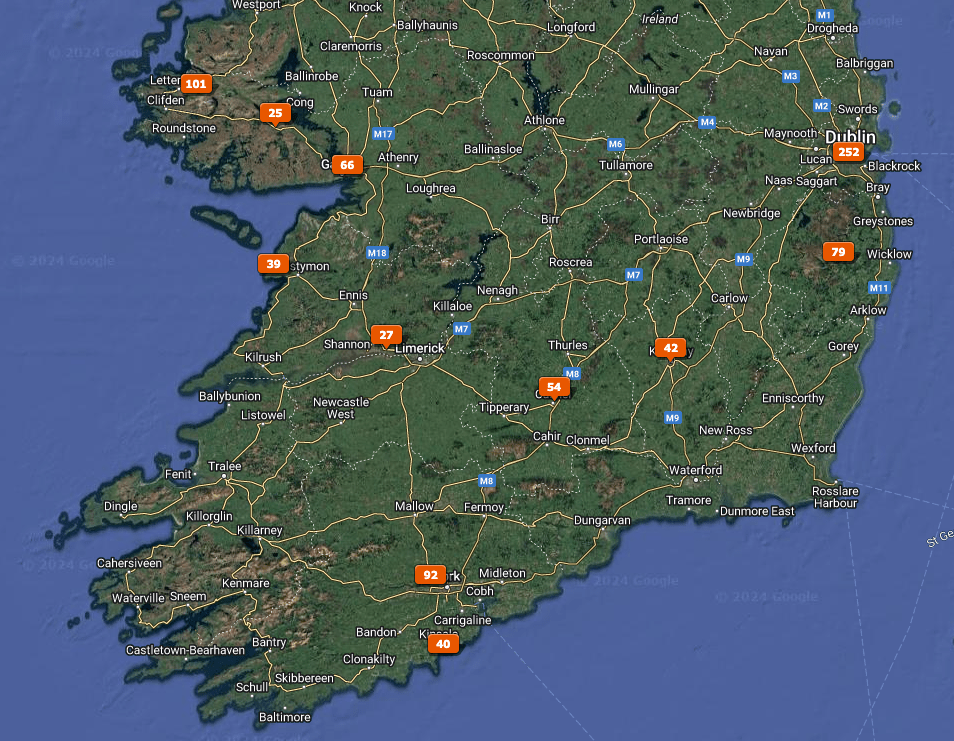
Road Trip Tally
This Trip
4,500 MILES
1250 PHOTOS CATALOGED
Cumulative
Larry Has Gone: 34,500 Miles
Cataloged 14,275 photos
13 NEW LIFE LIST Bird Species
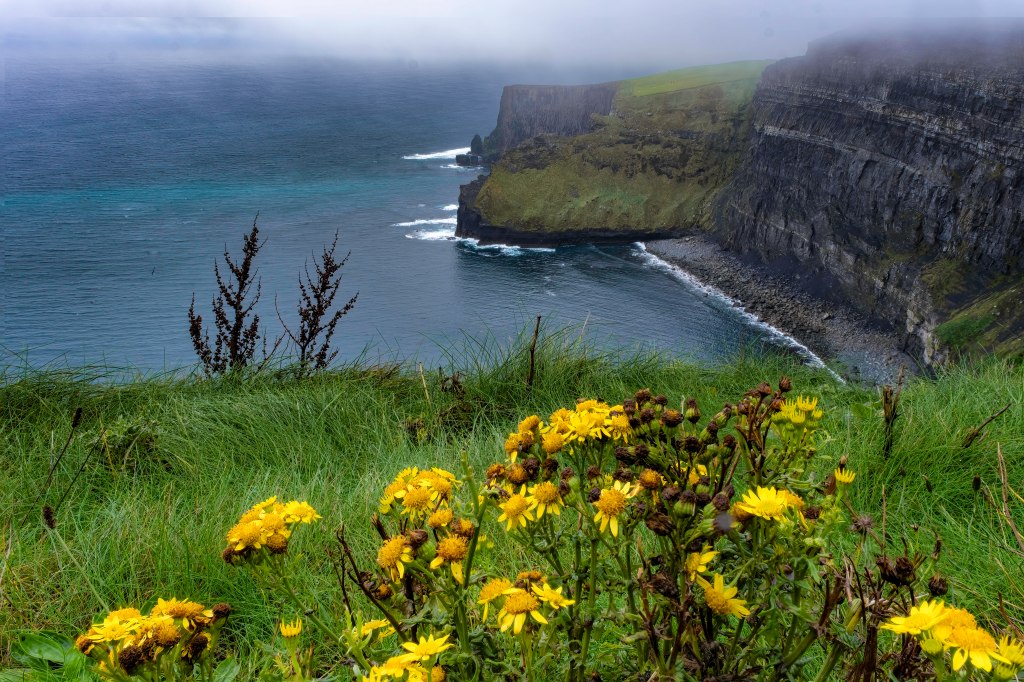
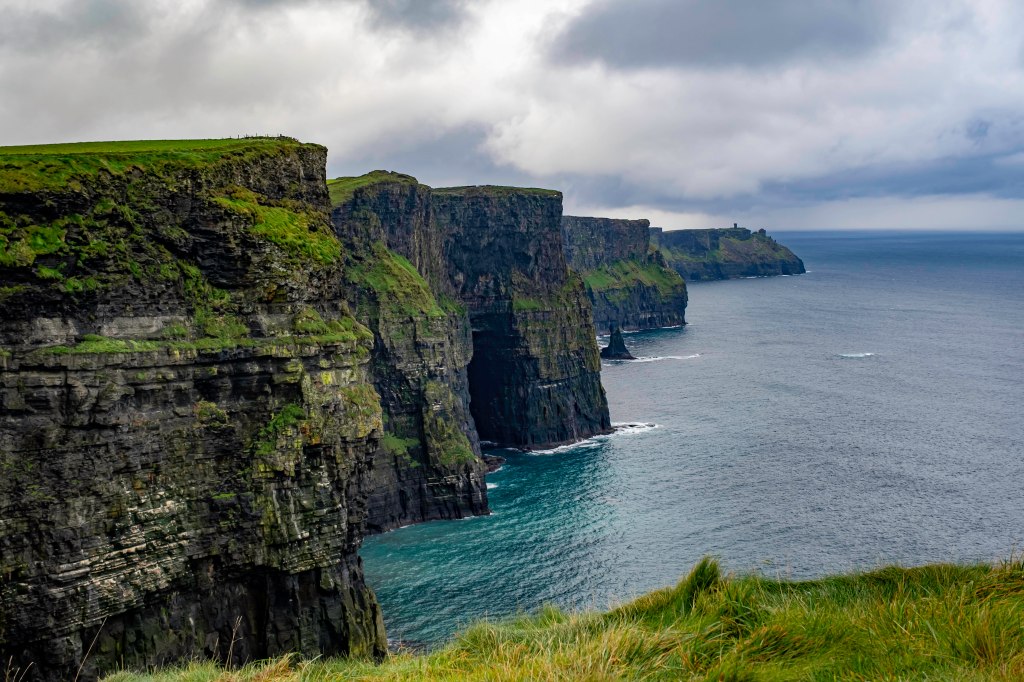
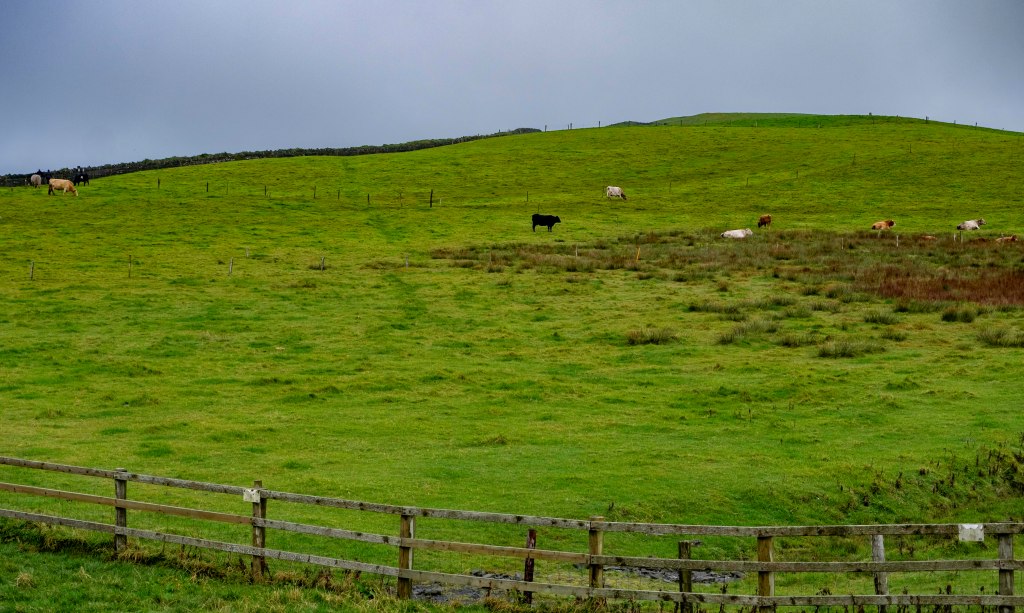
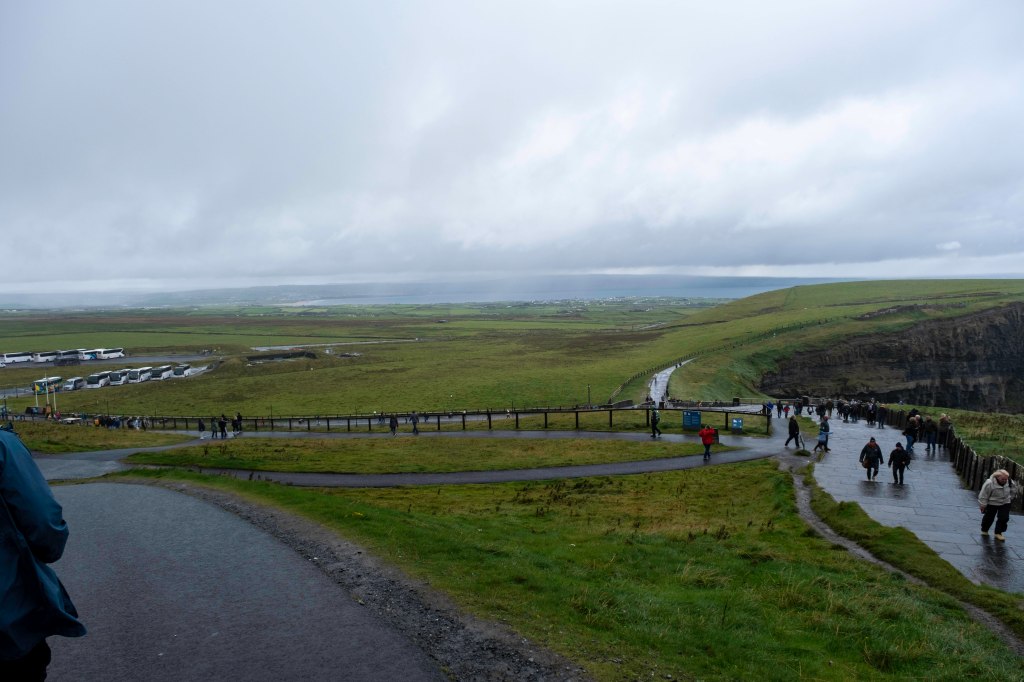
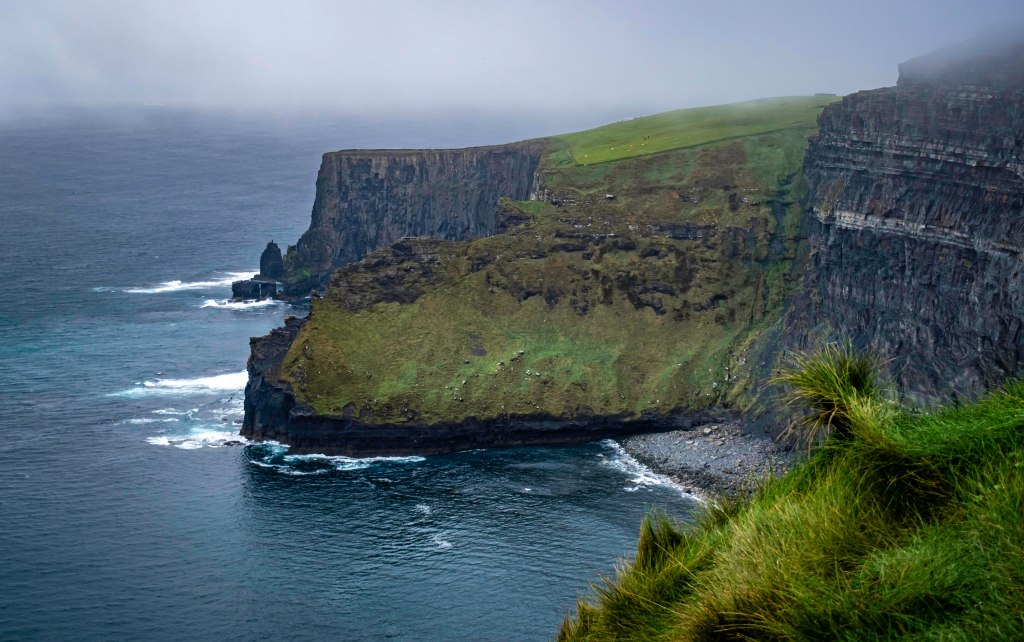
The Cliffs of Moher, located on the west coast of Ireland, are one of the country’s most iconic natural landmarks, drawing visitors from around the globe. Rising to heights of over 700 feet, these majestic cliffs stretch for approximately five miles along the Atlantic Ocean, offering breathtaking views and a dramatic landscape that embodies the rugged beauty of Ireland.
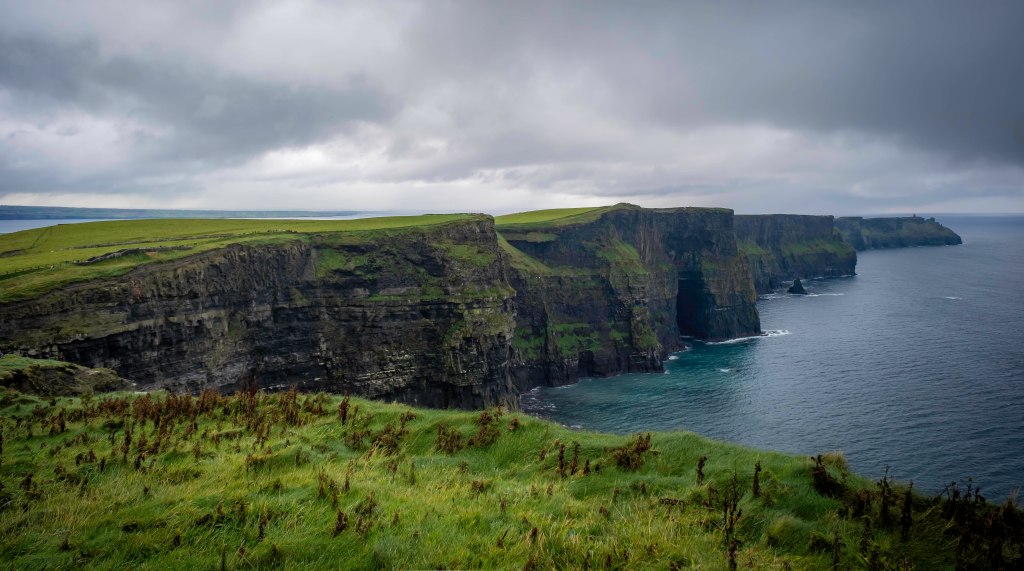
The significance of the Cliffs of Moher extends beyond their stunning aesthetics. Ecologically, they are home to a diverse range of flora and fauna, including several species of seabirds such as puffins, razorbills, and guillemots. This rich biodiversity highlights the importance of coastal ecosystems and emphasizes the need for conservation efforts in the face of climate change and human impact.
Culturally, the Cliffs hold a deep significance in Irish heritage. They feature prominently in literature, music, and folklore, symbolizing both the beauty and the raw power of nature. The cliffs have inspired numerous artists and writers, including the renowned poet W.B. Yeats, who captured the essence of the Irish landscape in his works. Additionally, the site has become a symbol of Irish identity, attracting tourists who seek to connect with the country’s natural and cultural heritage.
Furthermore, the Cliffs of Moher play a crucial role in the local economy. Tourism generated by the cliffs provides employment and sustains local businesses, significantly contributing to the region’s economic stability. The establishment of the Cliffs of Moher Visitor Experience has enhanced educational opportunities, allowing visitors to learn about the geological and ecological significance of this natural wonder.
The N59
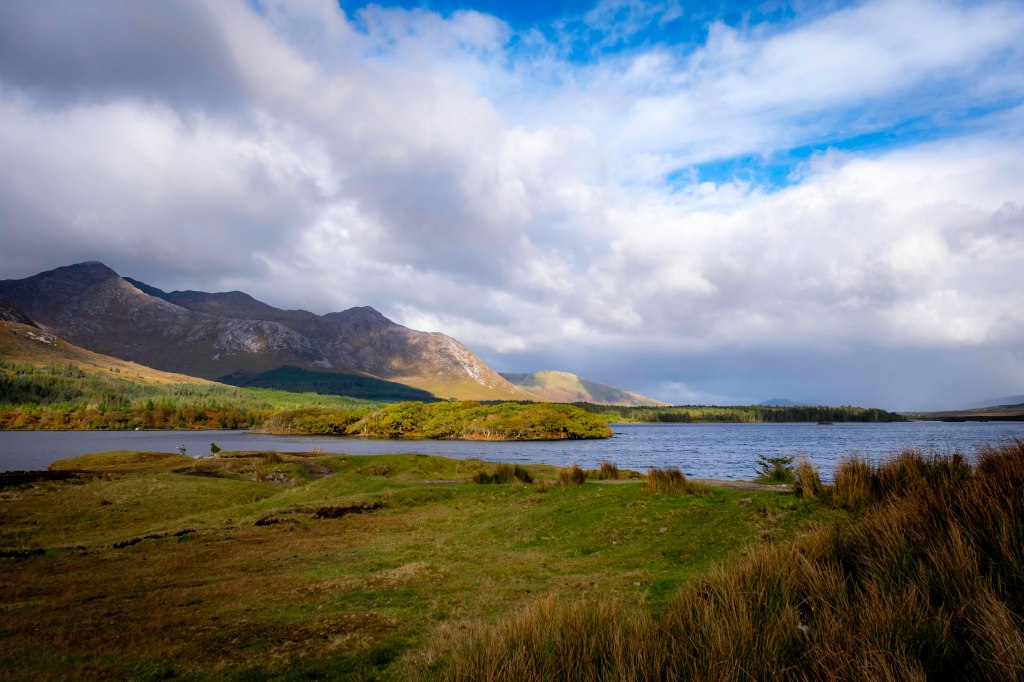
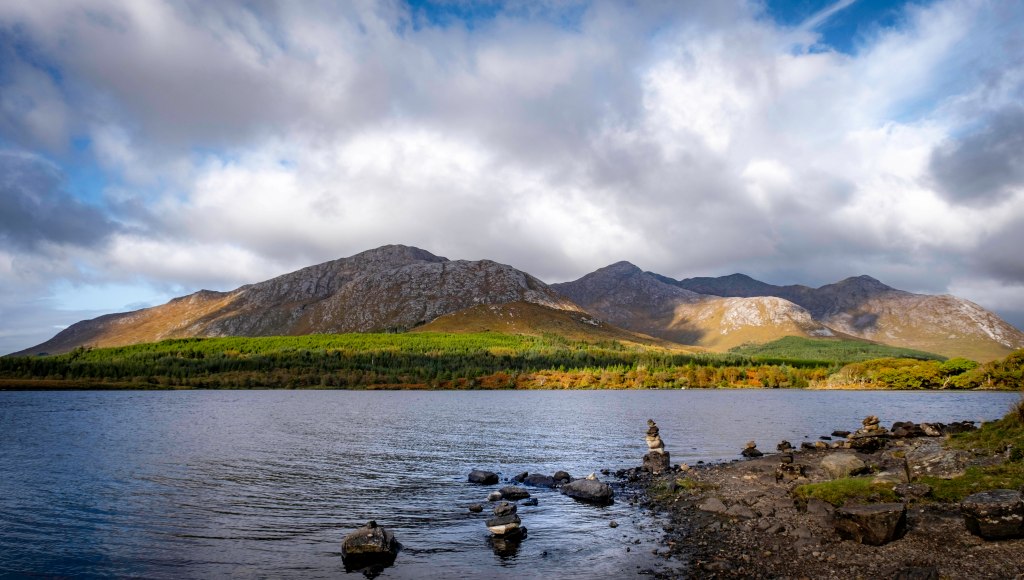
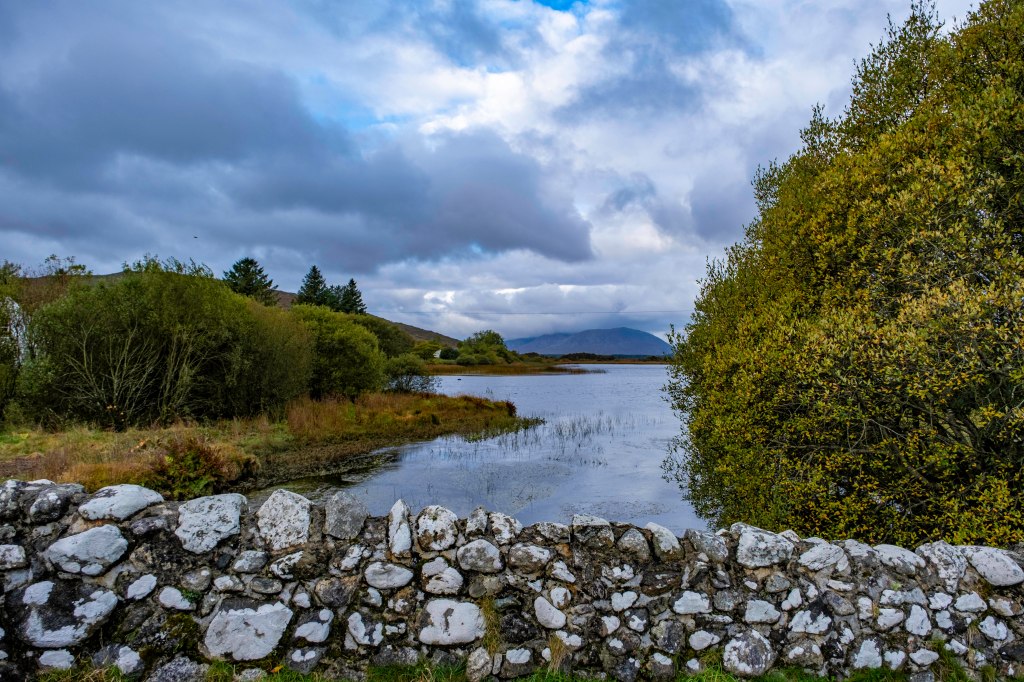
The N59 is a scenic route that showcases Ireland’s stunning landscapes. Stretching from the vibrant town of Westport to the charming village of Clifden, this road winds through breathtaking mountains, lush valleys, and along the rugged coastline of Connemara. Travelers can enjoy picturesque views of lakes, coastal cliffs, and traditional Irish villages. Whether you’re exploring the Wild Atlantic Way or seeking adventure in the great outdoors, the N59 offers an unforgettable journey through Ireland’s natural beauty and rich cultural heritage. Don’t forget your camera—the views are truly spectacular!
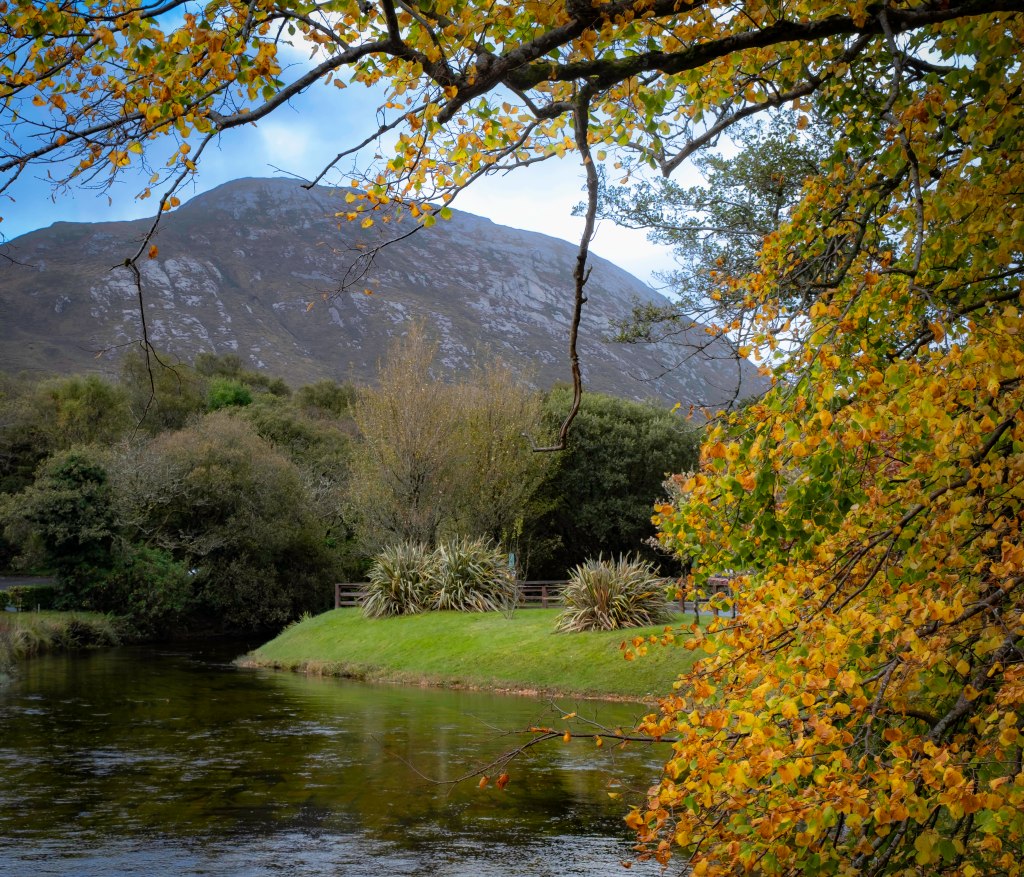
Kylemore Abbey, located in the heart of Connemara, County Galway, Ireland, is a striking example of Gothic Revival architecture and a site rich in history and cultural significance. Founded in 1920 as a Benedictine monastery, this picturesque abbey sits on the shores of a serene lake, framed by the rugged landscape of the Twelve Bens mountains. Its beauty and historical relevance make it a compelling destination for visitors and a symbol of Irish heritage.
The abbey was originally built in the 1860s as a private home for Mitchell Henry, a wealthy businessman from England, and his wife, Margaret. The couple fell in love with the breathtaking surroundings, and their passion for the land is evident in the estate’s design and the gardens that accompany it. Tragically, Margaret’s untimely death from pneumonia led Mitchell to dedicate the estate to her memory, adding a poignant layer to its history. This backstory imbues the abbey with an emotional resonance, drawing visitors not only for its architectural beauty but also for its connection to love and loss.

Architecturally, Kylemore Abbey is a marvel. Designed in the Gothic Revival style, the building features ornate stonework, pointed arches, and intricate detailing that evoke a sense of grandeur. The abbey’s location enhances its aesthetic appeal, with the surrounding gardens, woodlands, and lakeside creating a stunning backdrop. The Victorian walled garden, restored to its former glory, is a testament to the Henry family’s commitment to horticulture and showcases a variety of plants and flowers, further enriching the site’s beauty.
The significance of Kylemore Abbey extends beyond its physical attributes. As a Benedictine monastery, it has become a center for spiritual retreat and reflection. The Benedictine community that inhabits the abbey today maintains a commitment to prayer, hospitality, and education, offering visitors a chance to engage with the monastic tradition. The abbey hosts various retreats and educational programs, fostering a deeper understanding of faith and community. This spiritual aspect adds a profound dimension to the abbey, making it a place of peace and contemplation.
Kylemore Abbey also serves as a cultural hub, highlighting Ireland’s artistic and educational contributions. The abbey features a visitor center that tells the story of its rich history and the Benedictine order. Art exhibitions, concerts, and educational workshops take place regularly, further embedding Kylemore Abbey in the cultural fabric of Ireland. By fostering creativity and dialogue, the abbey plays a vital role in preserving and promoting Irish culture.
In addition to its cultural and spiritual significance, Kylemore Abbey is an important tourist destination that contributes to the local economy. Visitors from around the world come to explore its stunning grounds, learn about its history, and appreciate its natural beauty. This influx of tourism supports local businesses and encourages investment in the surrounding area, ensuring that the abbey remains a vibrant part of the community.



 Larry Goes