
Ireland Part 4 Blarney Castle and Fort Charles
Blarney Castle and Fort Charles
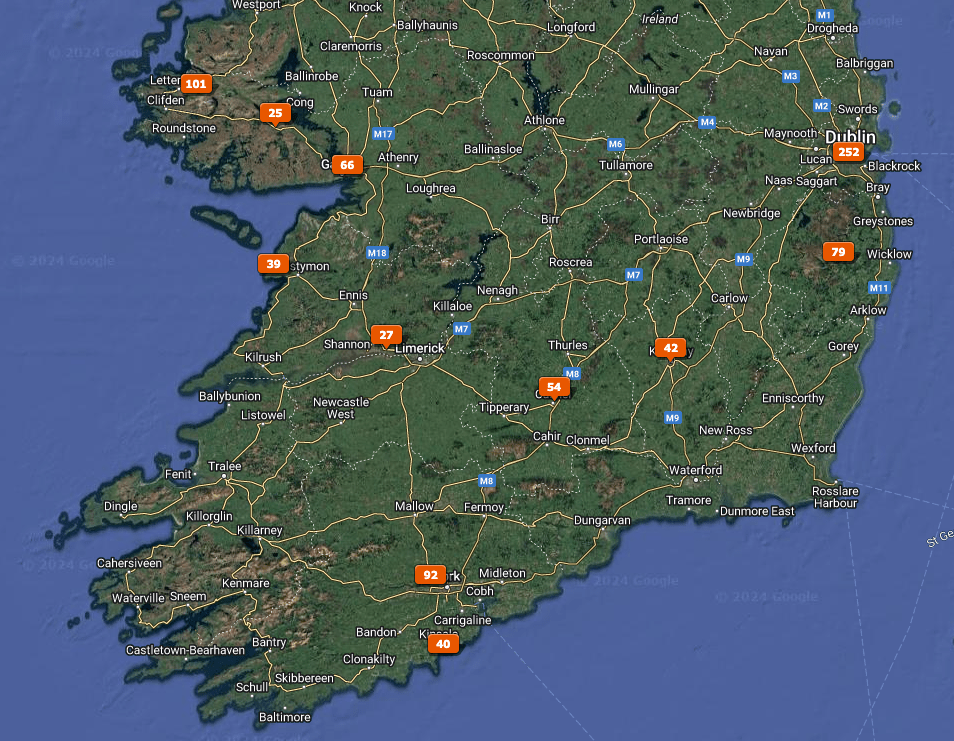
Road Trip Tally
This Trip
4,500 MILES
1250 PHOTOS CATALOGED
Cumulative
Larry Has Gone: 34,500 Miles
Cataloged 14,275 photos
13 NEW LIFE LIST Bird Species
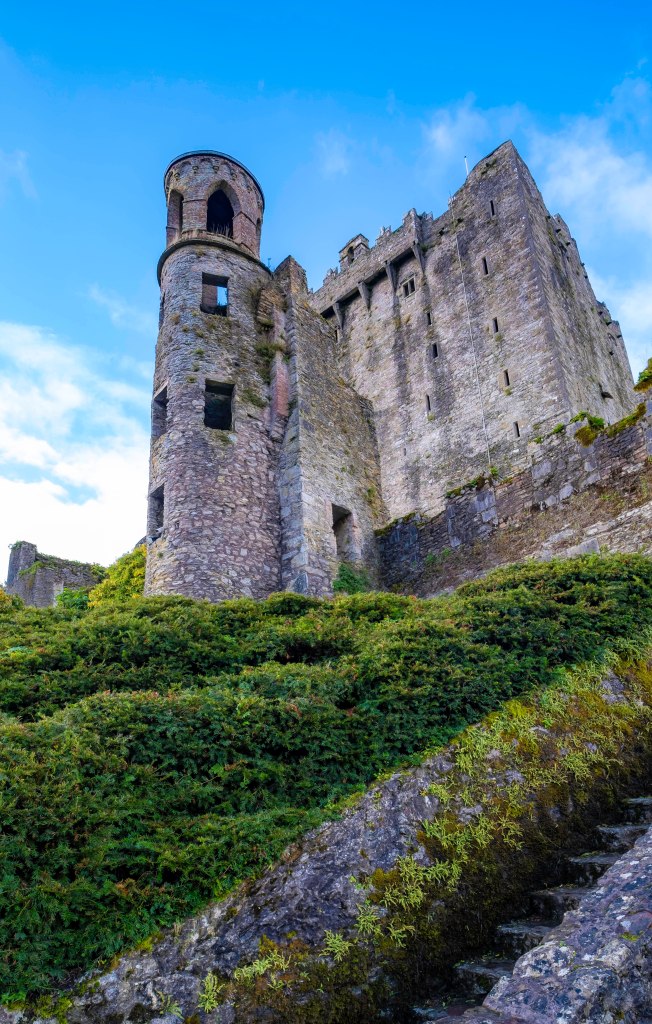
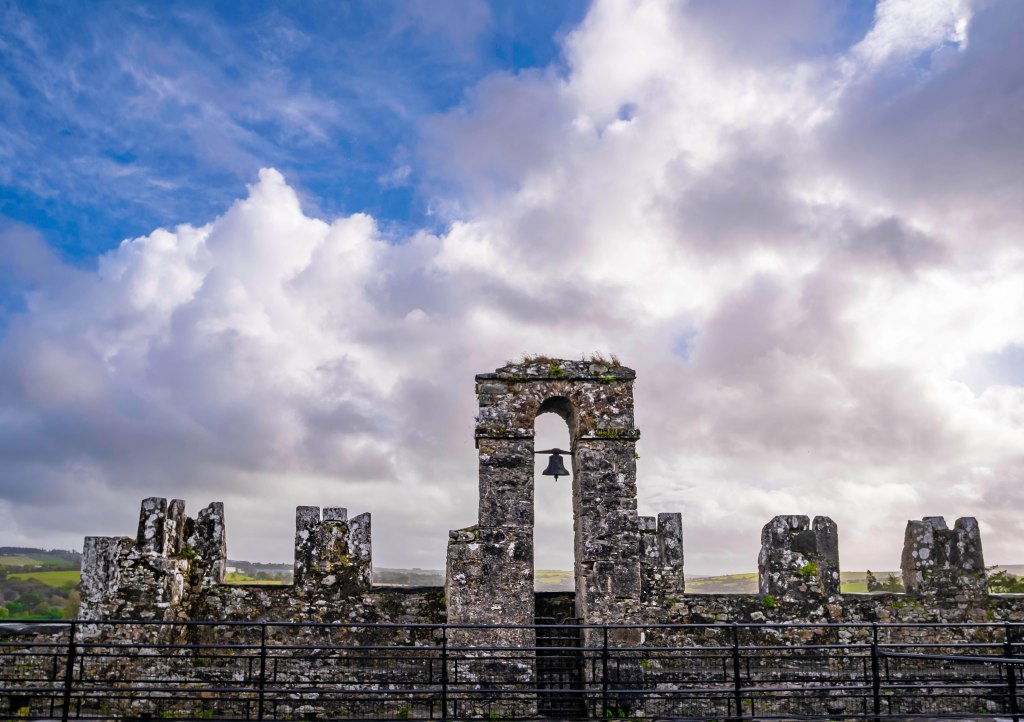
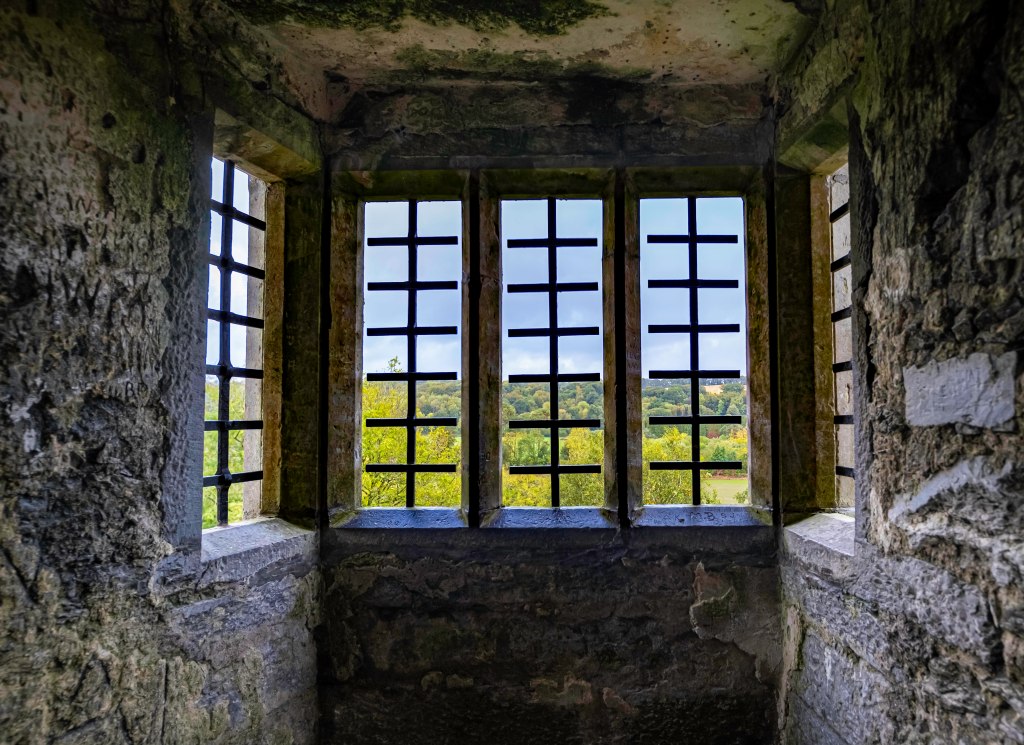
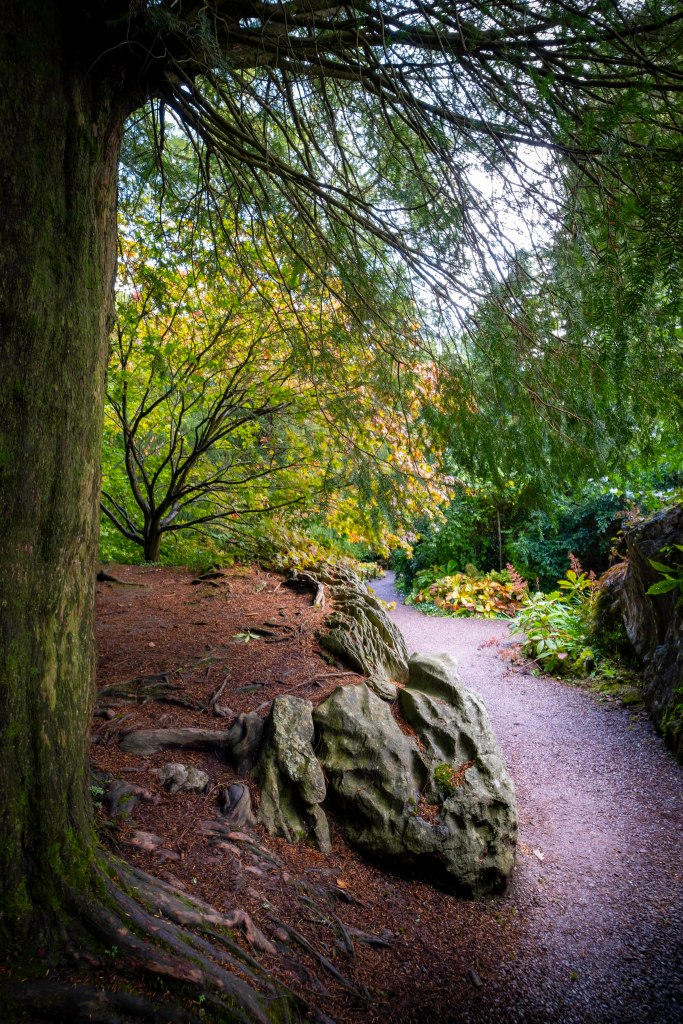
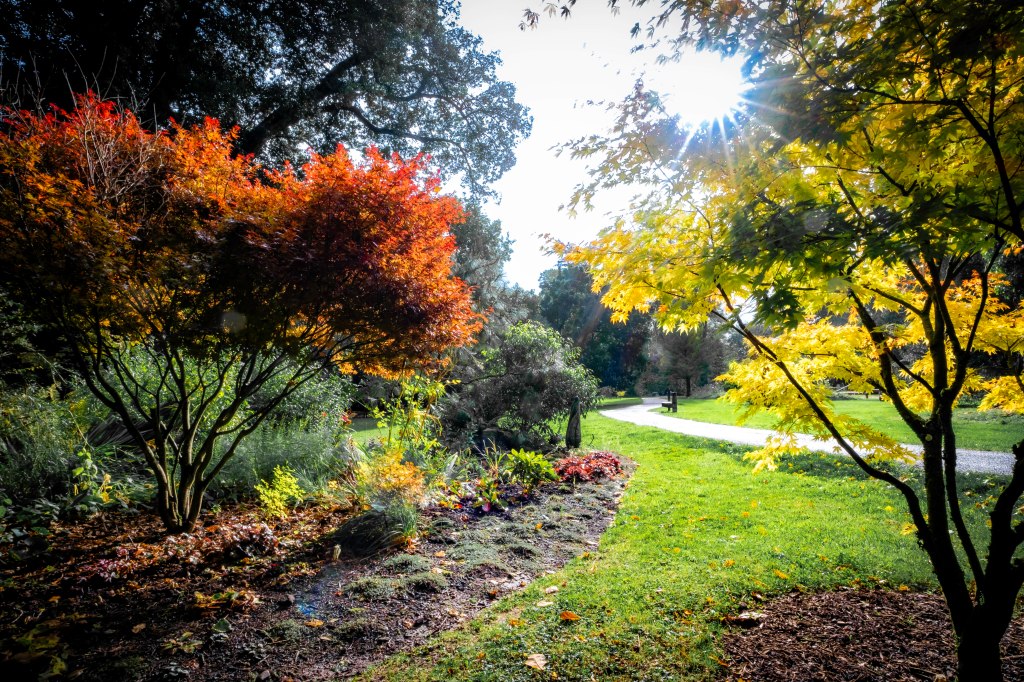
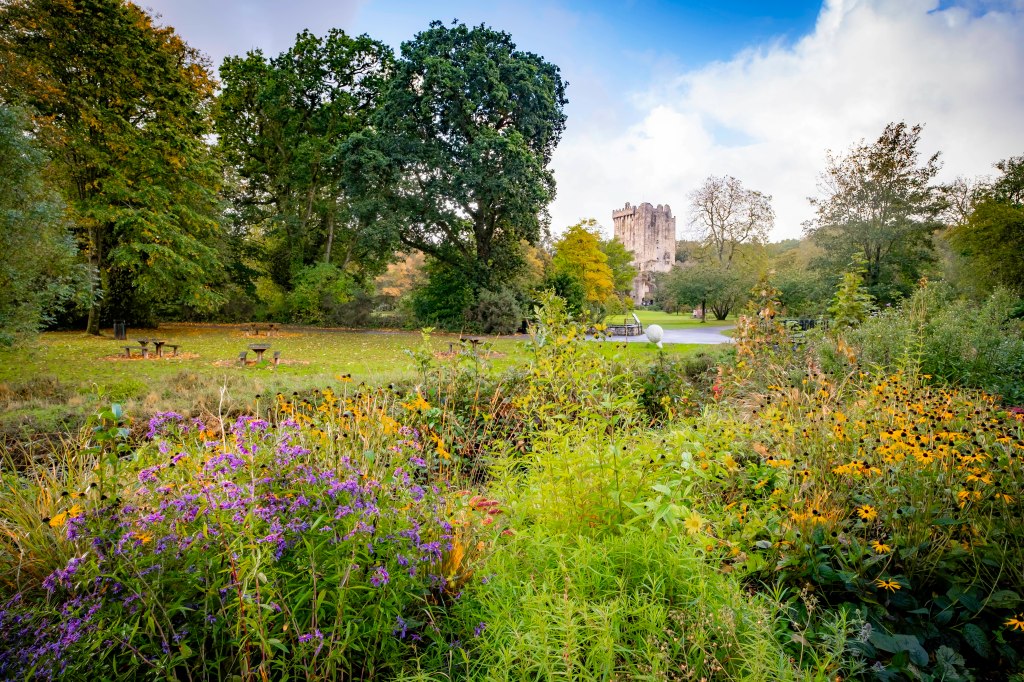
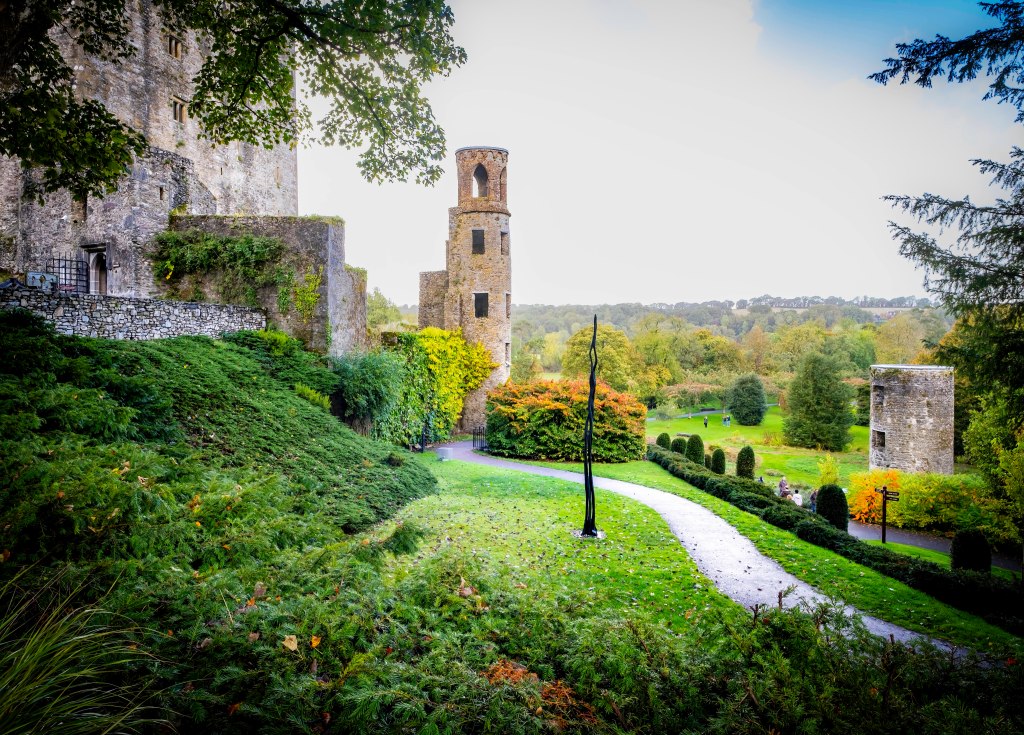
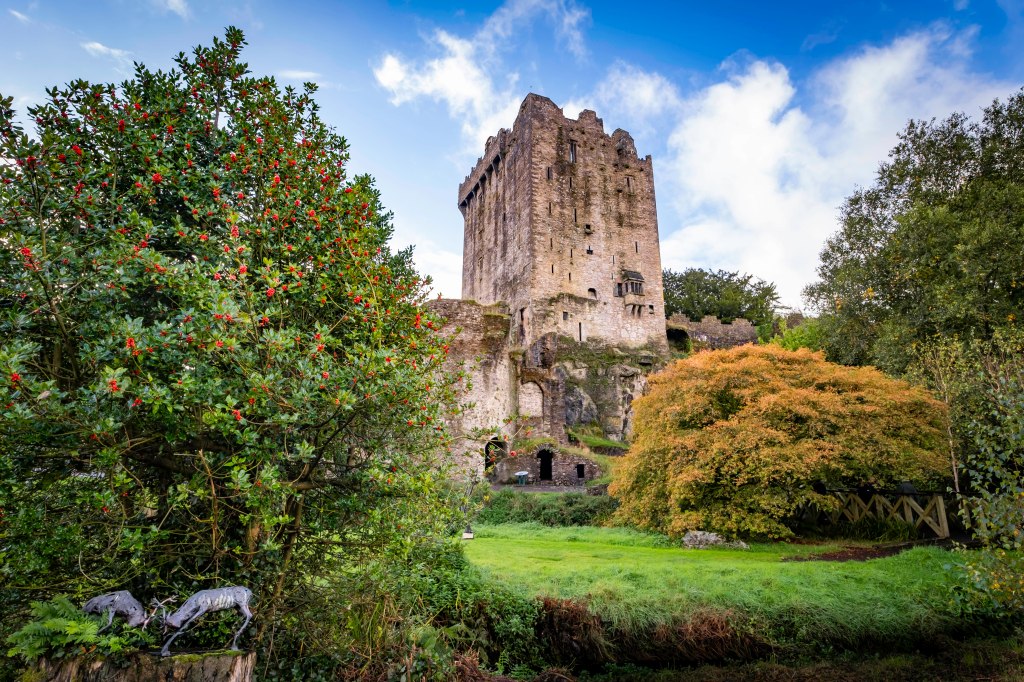
Blarney Castle, located in County Cork, Ireland, is a medieval fortress renowned for its rich history and legendary Blarney Stone, which is said to confer the gift of eloquence upon those who kiss it. Constructed in the 15th century by the MacCarthy dynasty, the castle has stood as a symbol of power and influence for centuries, reflecting the tumultuous history of Ireland.
The original structure was likely built in 1200 as a wooden fort, later replaced by the stone castle we see today. The site’s strategic location allowed the MacCarthys to control the surrounding territory, and the castle served as a stronghold during various conflicts, including the Wars of the Roses and the English Civil War. In 1646, Blarney Castle was captured by English Parliamentarians, but it was restored to the MacCarthy family shortly thereafter.
The castle’s most famous feature, the Blarney Stone, became a focal point of Irish folklore. According to legend, kissing the stone grants the kisser the gift of gab, a term used to describe persuasive and eloquent speech. The stone’s origins are steeped in myth, with tales linking it to ancient Druid rituals and even the biblical Jacob.
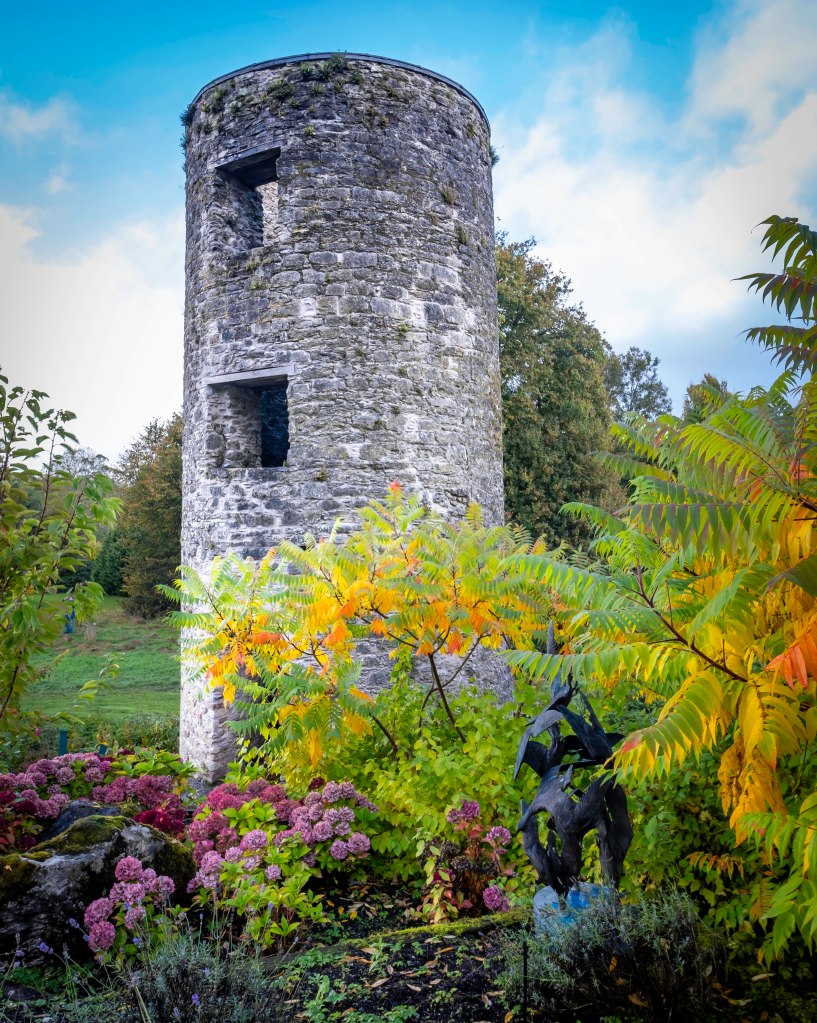
Over the centuries, Blarney Castle underwent numerous renovations, particularly in the 19th century, when it was transformed into a picturesque ruin by the last private owner, Sir Charles St. John Nugent. Today, the castle is surrounded by stunning gardens and attracts visitors from around the world, eager to experience its enchanting history and captivating legends.
As a symbol of Irish heritage, Blarney Castle remains a testament to the resilience of its past, drawing visitors into its storied embrace..

Fort Charles: A Historical Overview
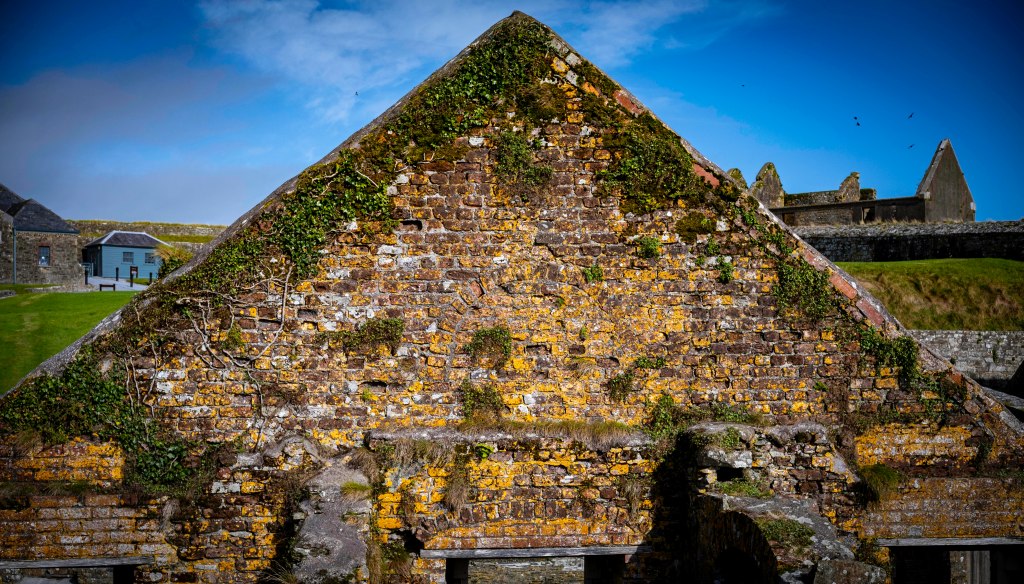
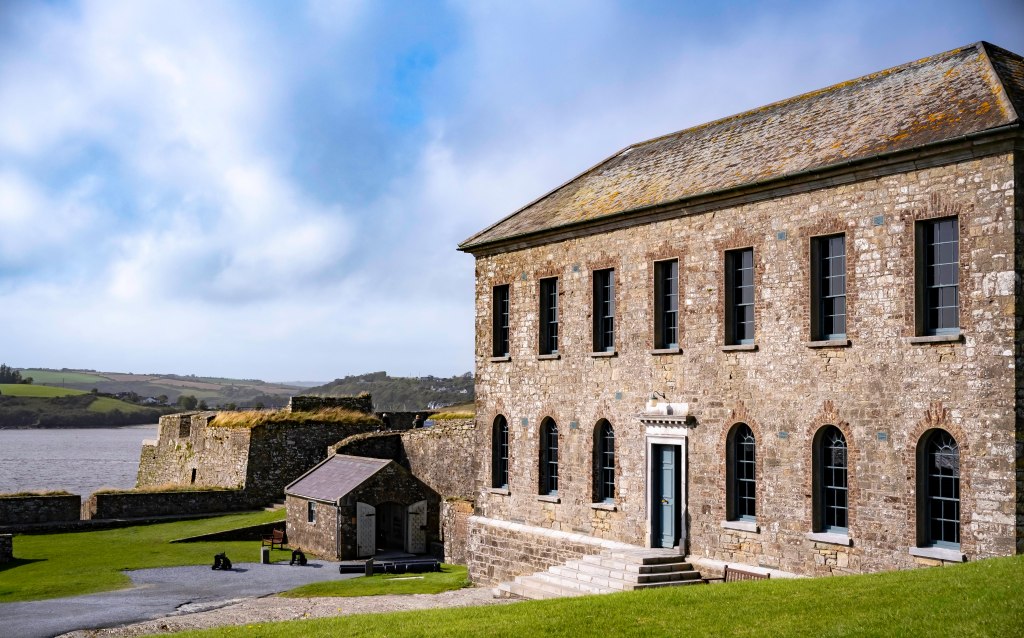
Fort Charles, located on the scenic coast of Baltimore, County Cork, Ireland, is a notable historical fortification that dates back to the 17th century. Constructed in the wake of the Nine Years’ War (1594-1603) and during a period of increasing conflict in Ireland, the fort served a crucial role in the defense of the southern coastline against both foreign invasion and internal rebellion.
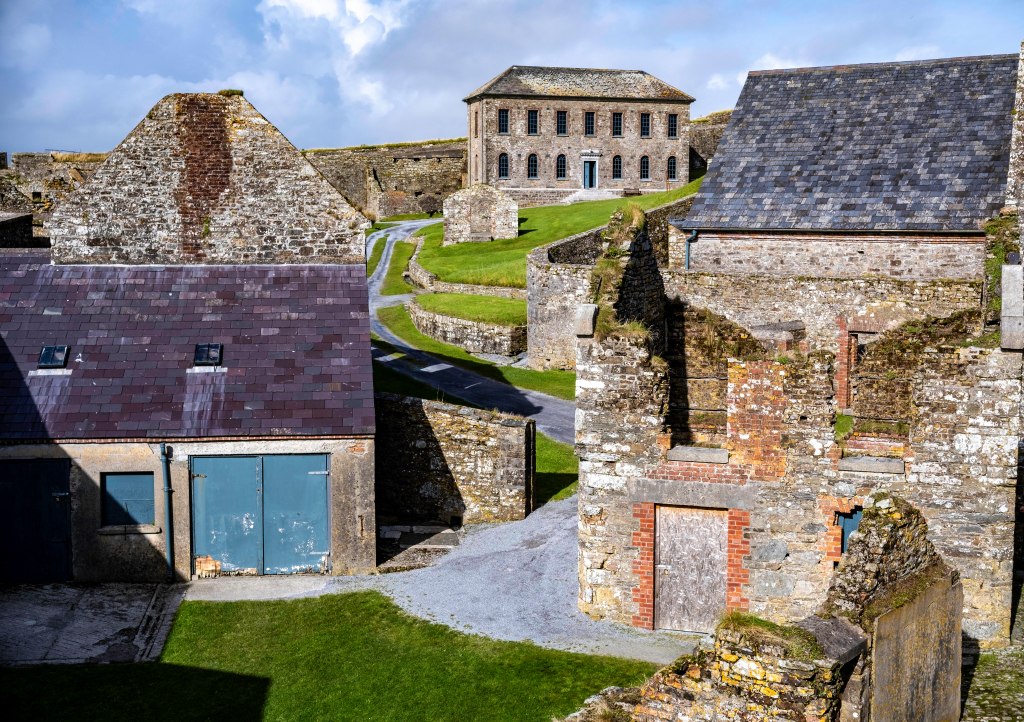
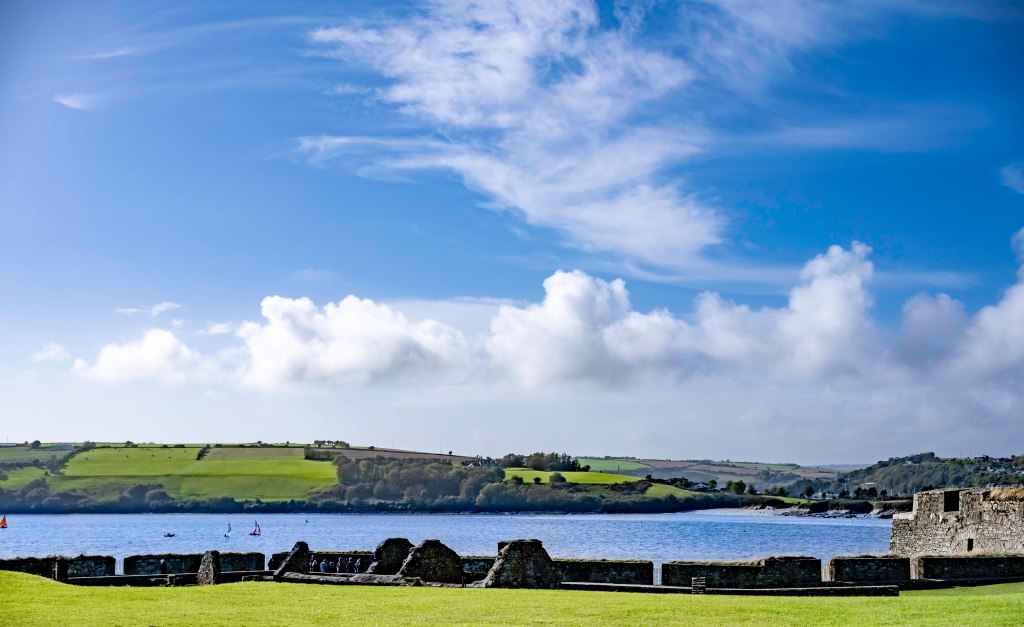
Built by the English in 1679, Fort Charles was named in honor of Charles II. Its strategic position allowed it to oversee the harbor of Baltimore, providing a commanding view that was vital for military operations. The fort’s design incorporated the latest advancements in military architecture, featuring thick stone walls and bastions, making it a formidable structure against any potential assaults.
During the Williamite War in Ireland (1689-1691), Fort Charles was integral in the defense of the region. The fort’s garrison played a significant role in repelling attacks and maintaining British control over the area. However, as military technologies evolved and the nature of warfare changed, the fort gradually fell into disuse.
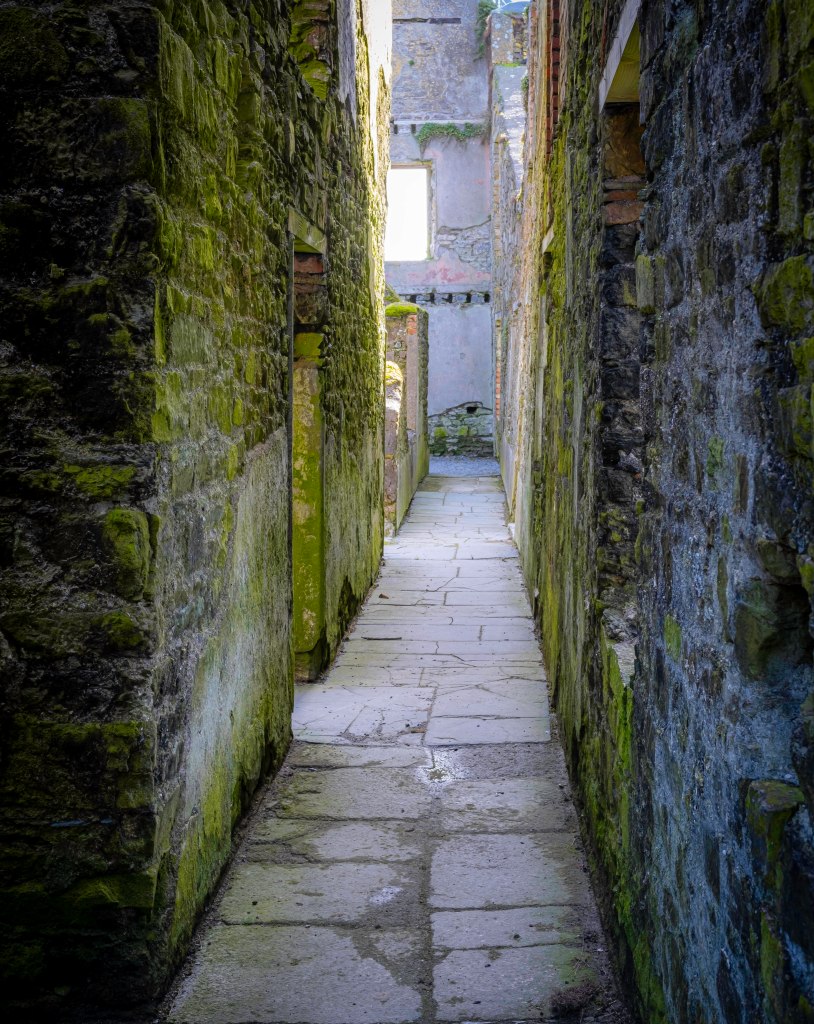
By the 19th century, Fort Charles was abandoned and became a picturesque ruin. The site is now a popular tourist destination, attracting visitors interested in both history and the stunning coastal scenery. Today, remnants of the fort, including its walls and earthworks, stand as a testament to Ireland’s complex military history and the enduring legacy of colonialism.
Fort Charles serves not only as a historical monument but also as a reminder of Ireland’s turbulent past, illustrating the interplay between defense, politics, and local heritage in the shaping of the nation’s history.
 Larry Goes