
Ireland Part 2 St. Patrick’s Cathedral
St. Patrick’s Cathedral

Road Trip Tally
This Trip
4,500 MILES
1250 PHOTOS CATALOGED
Cumulative
Larry Has Gone: 34,500 Miles
Cataloged 14,275 photos
13 NEW LIFE LIST Bird Species
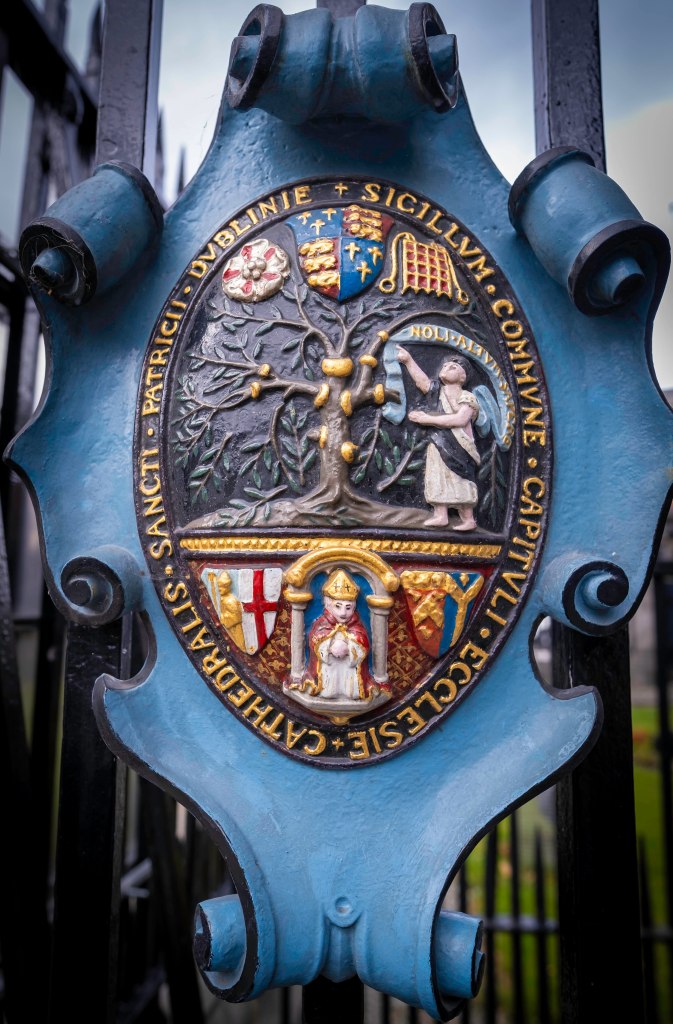
Nestled in the vibrant city of Dublin, St. Patrick’s Cathedral is a magnificent testament to Ireland’s rich history, culture, and spiritual heritage. Officially known as the National Cathedral and Church of Ireland, this stunning Gothic structure stands as the largest cathedral in the country, drawing visitors from around the globe. Its foundation dates back to 1191, making it a remarkable witness to over eight centuries of Dublin’s evolving story.
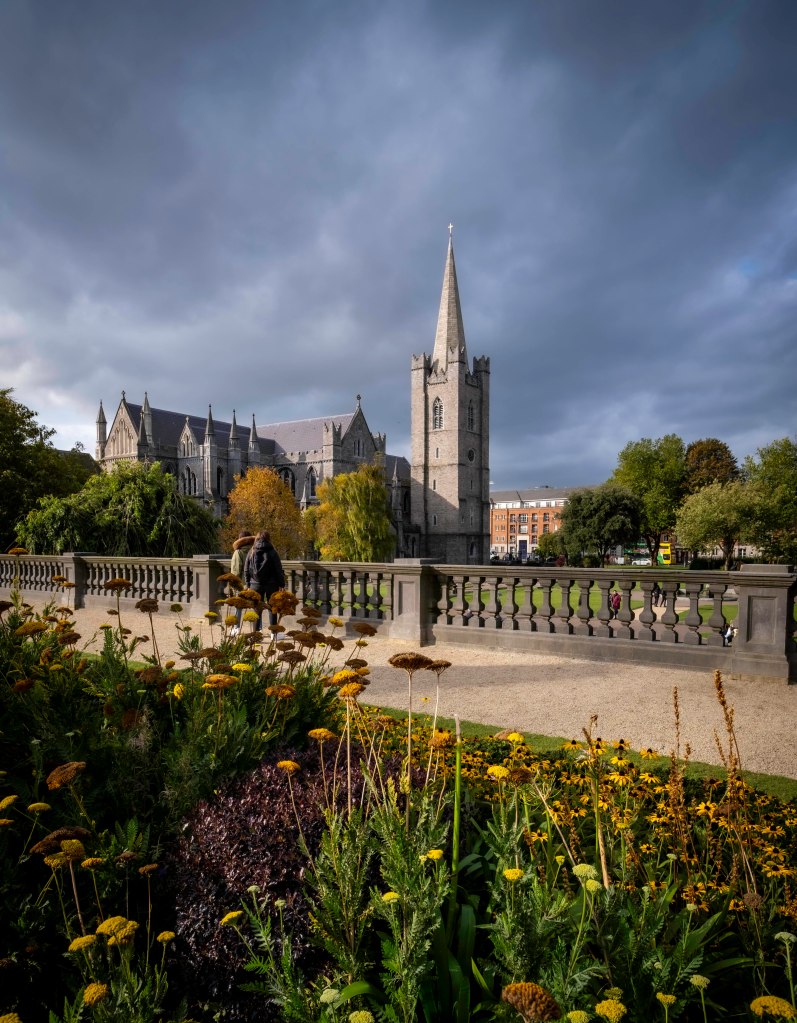
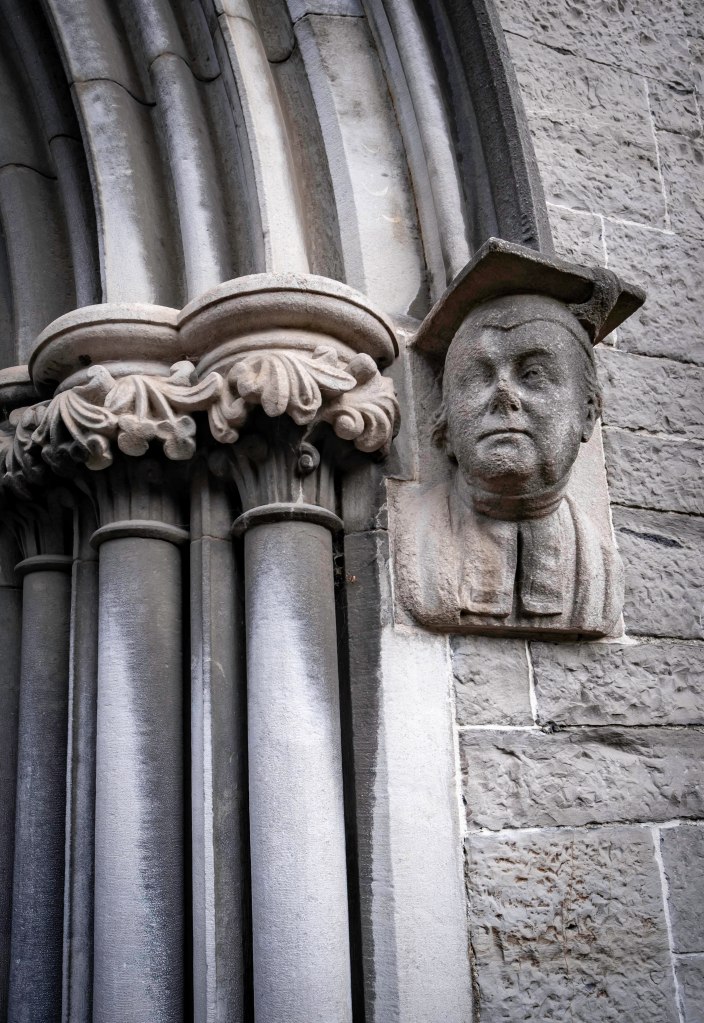
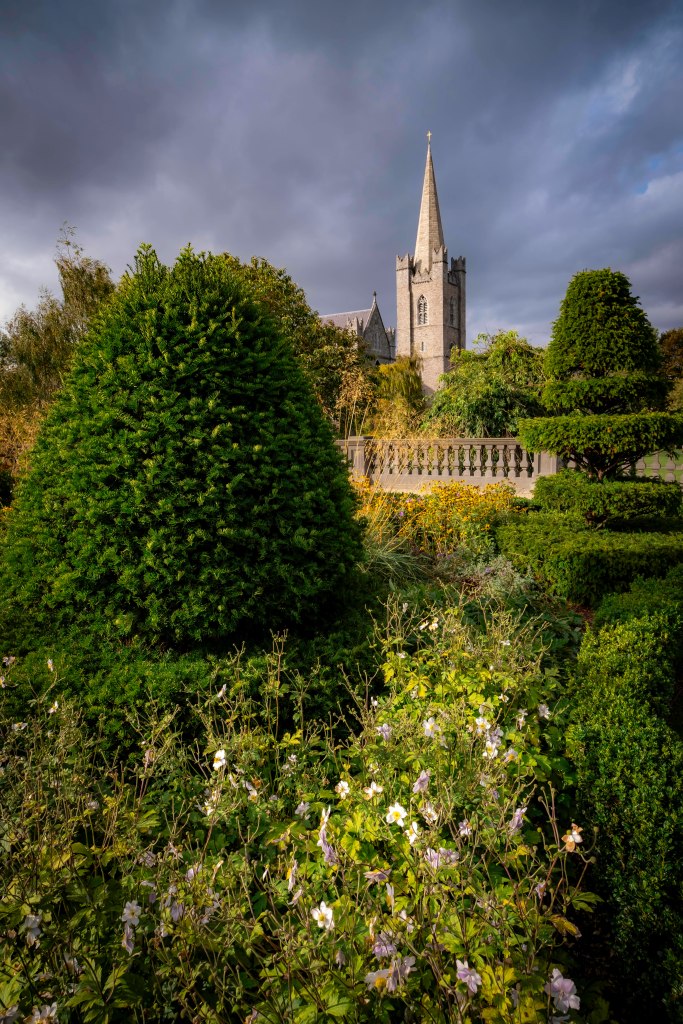
As you approach St. Patrick’s Cathedral, the first thing that strikes you is its architectural grandeur. The towering spires and intricate stone carvings create a majestic silhouette against the sky. The cathedral is surrounded by beautifully landscaped gardens that provide a tranquil oasis amid the urban bustle. Here, the gentle sound of water from the nearby fountain mingles with the soft rustle of leaves, inviting visitors to pause and reflect before entering.
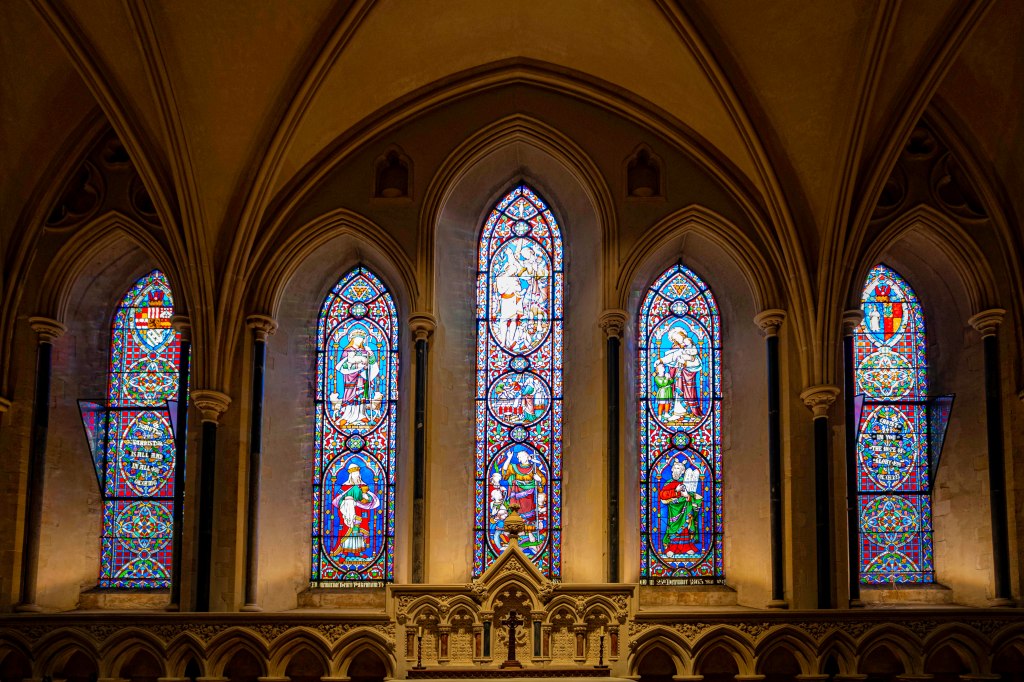
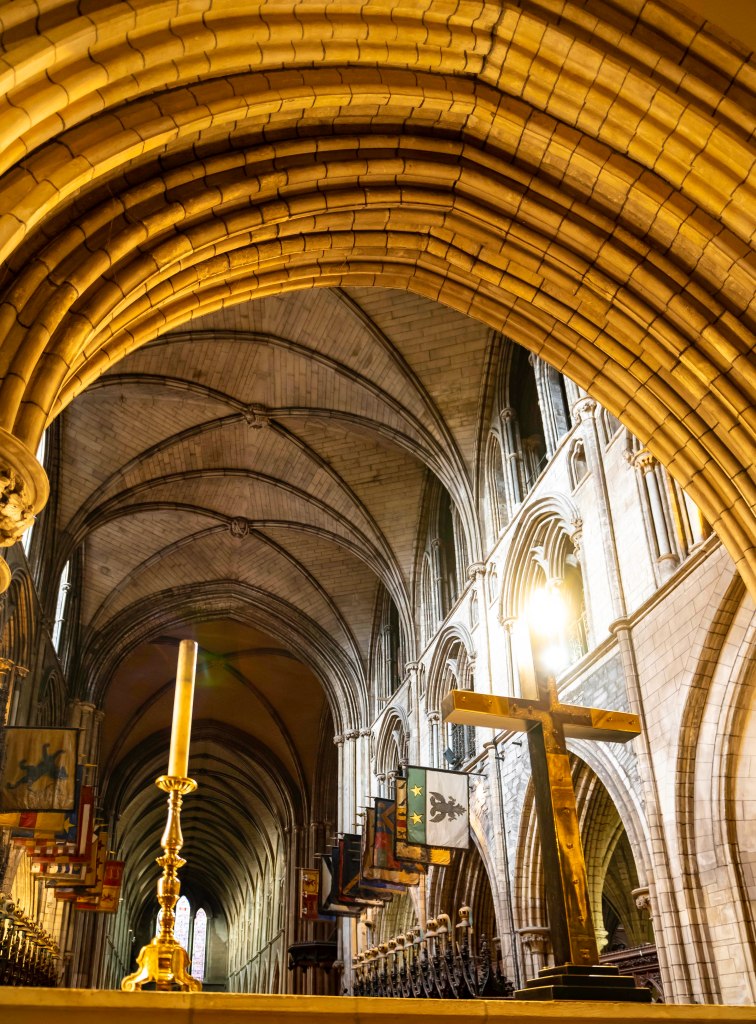
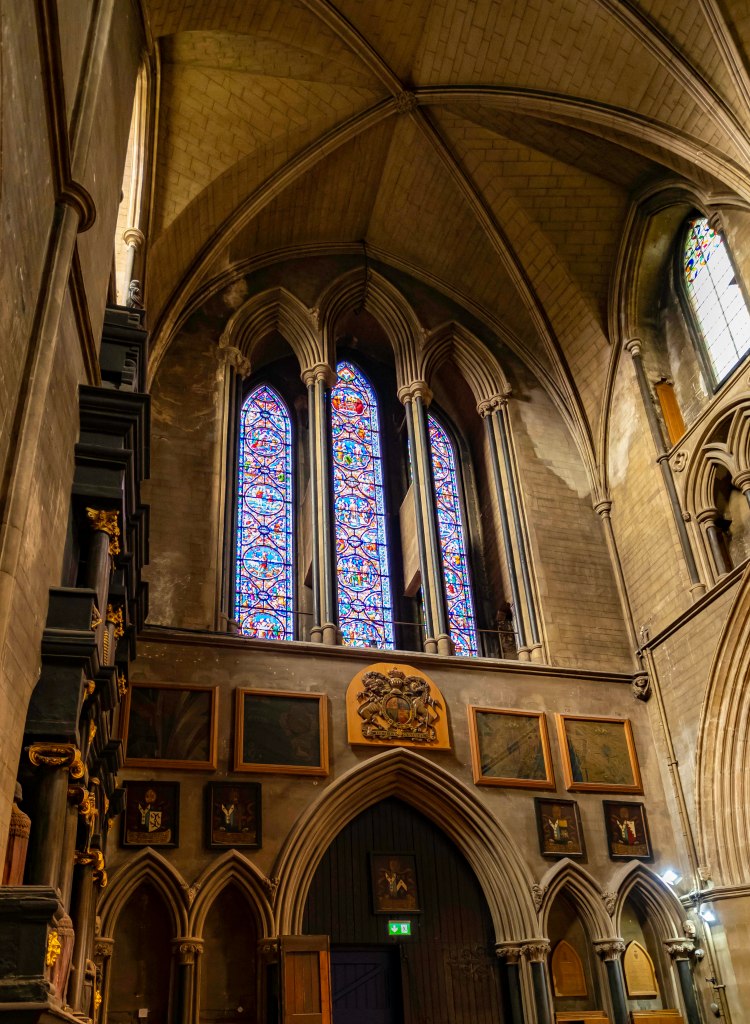
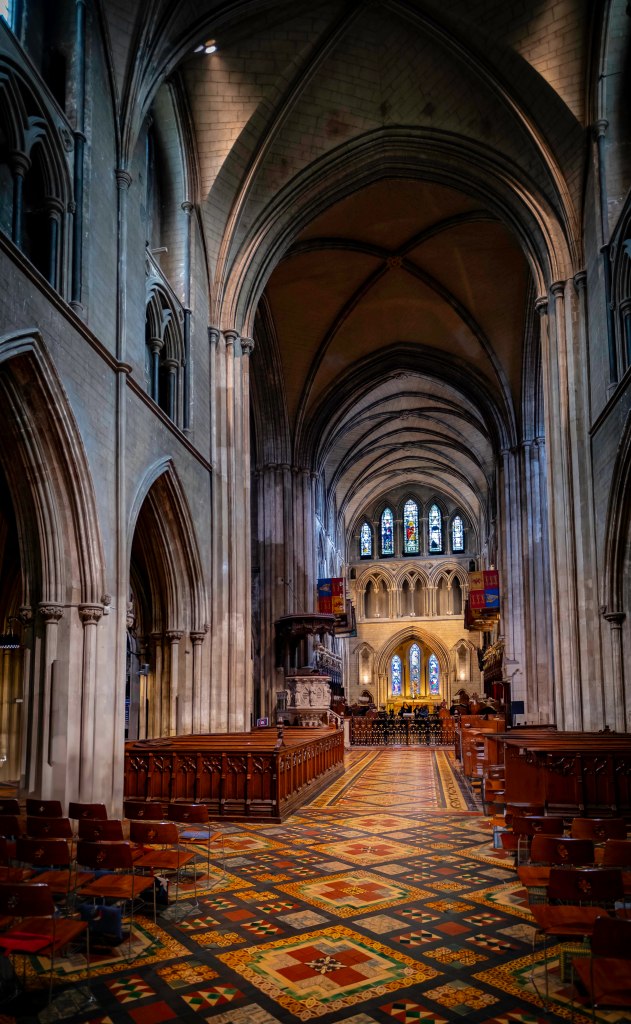
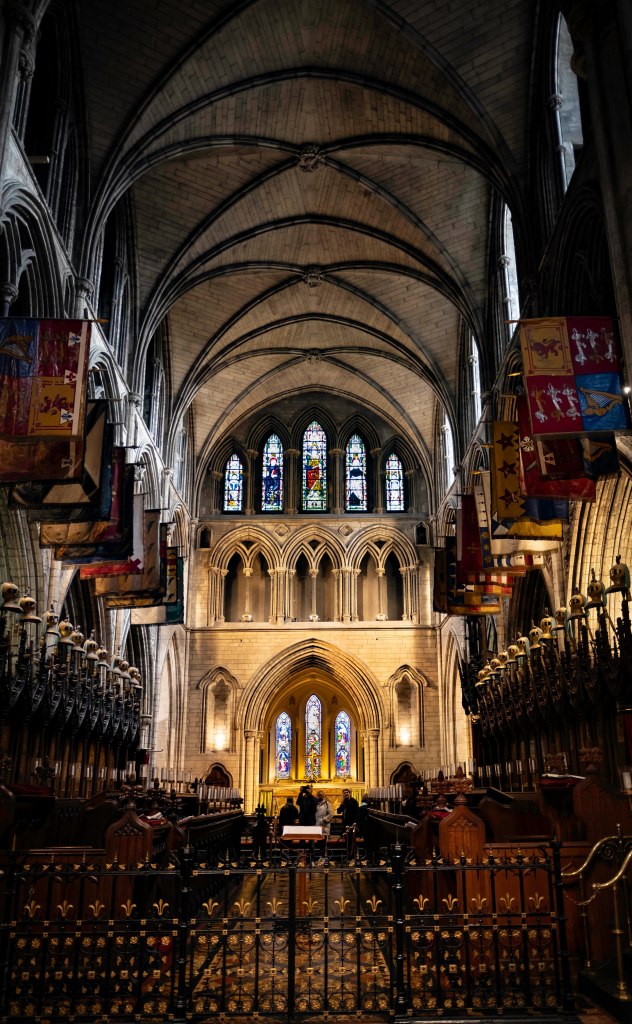
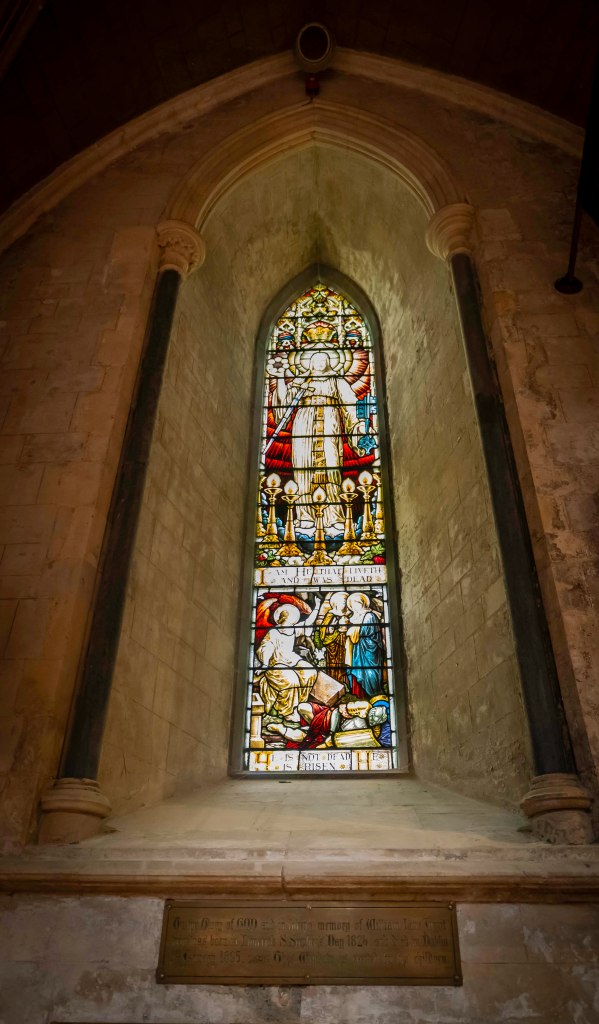
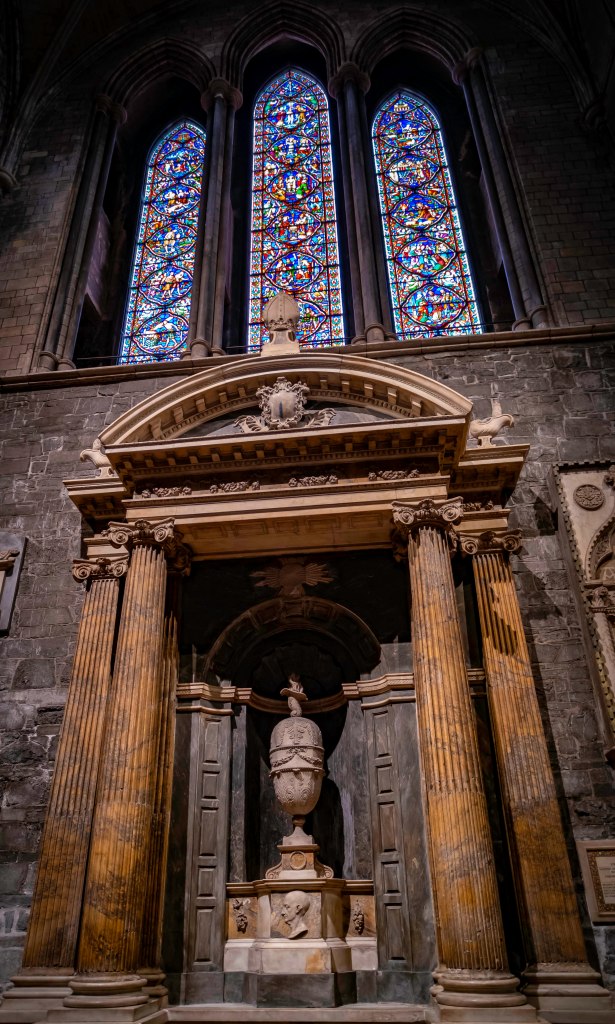
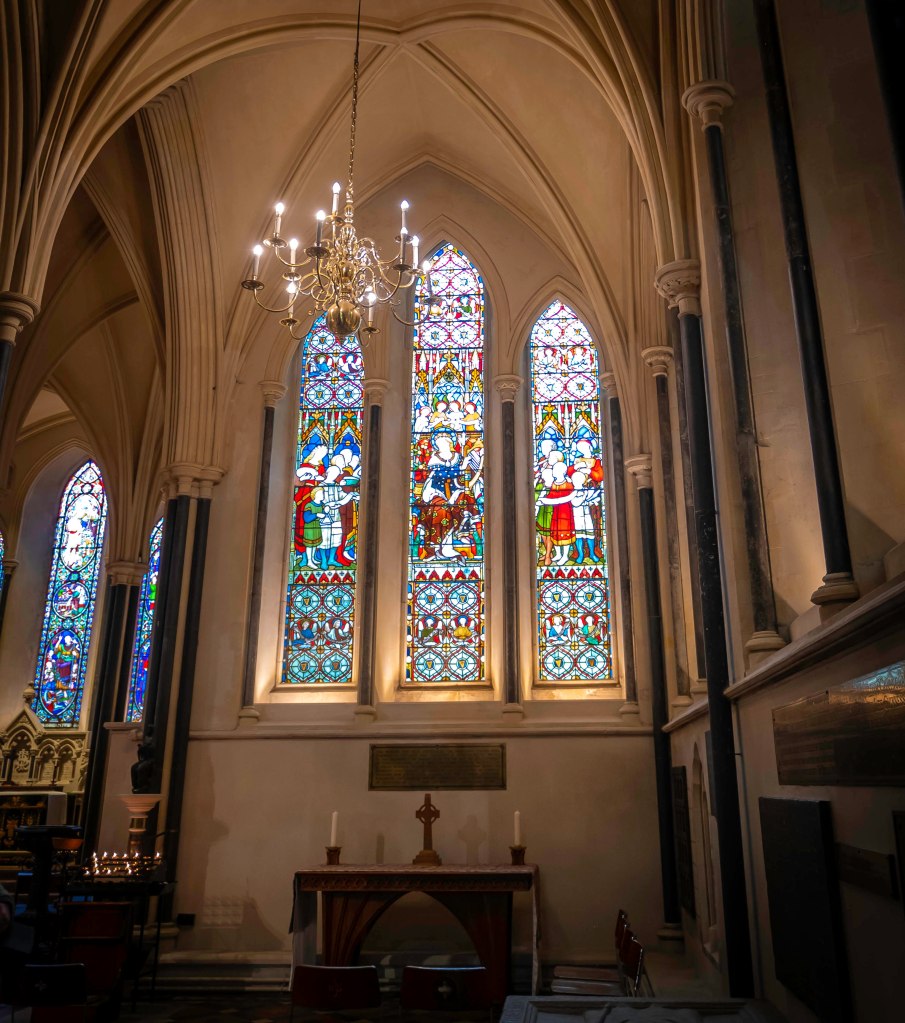
Stepping inside, you are immediately enveloped by a sense of awe. The vast interior, with its soaring vaulted ceilings and meticulously crafted wooden arches, exudes an air of reverence. Sunlight filters through the stained-glass windows, casting a kaleidoscope of colors on the stone floor. Each window tells a story, depicting scenes from the Bible and the lives of saints, offering a glimpse into the spiritual legacy of the cathedral.
One of the most notable figures associated with St. Patrick’s Cathedral is Jonathan Swift, the renowned author of Gulliver’s Travels, who served as the dean here from 1713 to 1745. Swift’s influence is palpable within the cathedral, and his grave lies in a quiet corner, marked by a simple stone that reflects his humility. His connection to the cathedral reminds visitors of the rich literary history that Dublin boasts, earning it the title of UNESCO City of Literature.
The cathedral also serves as a cultural hub, hosting a variety of events, from concerts to educational programs. The sound of choral music resonates through the nave, enhancing the spiritual atmosphere and drawing even more visitors. On a given day, you might find a choir performing a hauntingly beautiful rendition of traditional Irish hymns, making the experience even more memorable.
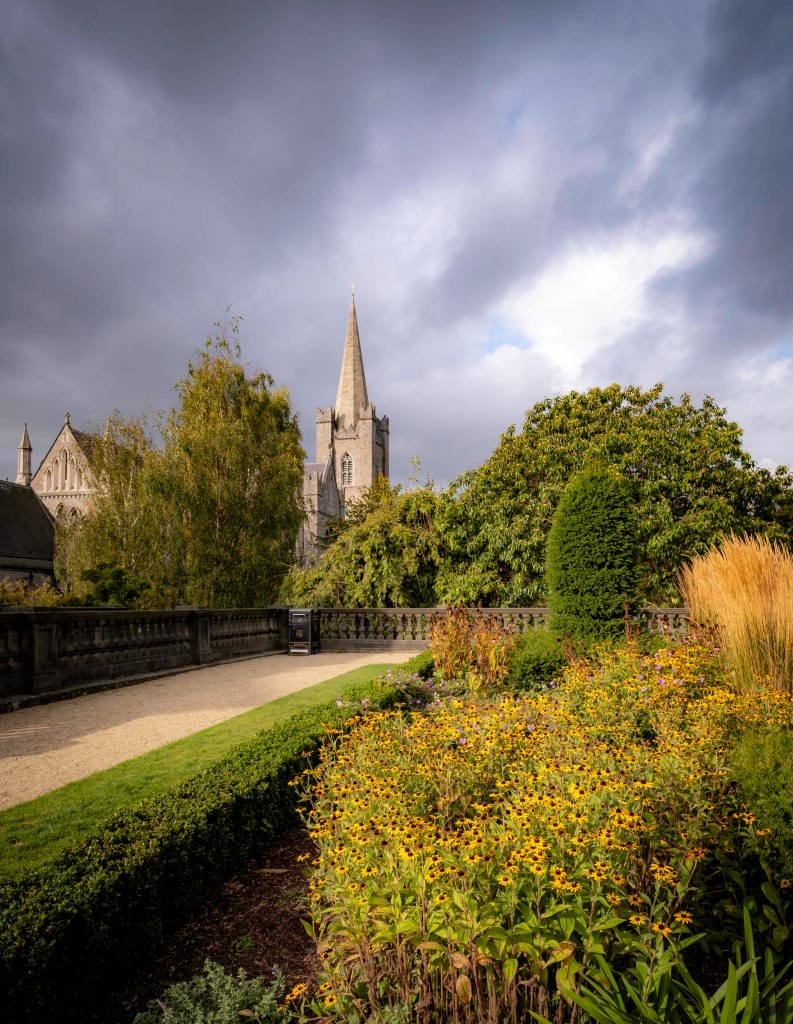
After exploring the interior, the cathedral’s gardens beckon. The lush greenery, dotted with historic monuments and sculptures, provides a serene escape. Visitors often take a leisurely stroll, enjoying the peaceful surroundings while contemplating the significance of the site. The gardens are also home to a vibrant array of flora, showcasing the beauty of Ireland’s natural landscape.
As you delve deeper into the history of St. Patrick’s Cathedral, you learn about its tumultuous past. The building has undergone numerous restorations, particularly in the 19th century, when Sir Benjamin Lee Guinness—descendant of the famous brewer—funded significant renovations. His contributions not only saved the cathedral from decline but also solidified its place as a cornerstone of Dublin’s heritage.
A visit to St. Patrick’s Cathedral is not just about witnessing architectural beauty; it is an immersion into the very essence of Dublin itself. It serves as a reminder of the city’s resilience, its artistic achievements, and its spiritual roots. Whether you come seeking solace, inspiration, or a deeper understanding of Irish culture, the cathedral offers a profound experience that resonates long after you leave.
In a city filled with historical treasures, St. Patrick’s Cathedral stands out, inviting all who enter to connect with Ireland’s past while celebrating its enduring spirit. It’s a place where history, art, and faith intertwine, leaving an indelible mark on every visitor’s heart.
 Larry Goes