
Mt. Monadnock Leg NH

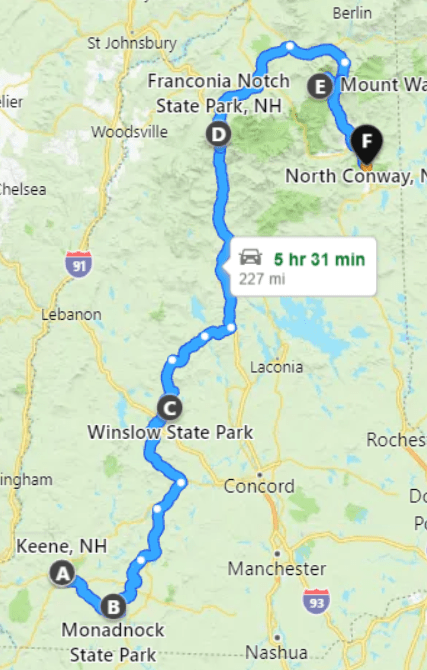
Road Trip Tally
States: VT
Miles: 400
Total_Miles: 2158
MPG: 19.0
Keeper Photos: 150
Total: 486
New Species Added: 14
Total Road Trip Bird List: 88
New Hampshire is where forests begin. More southerly deciduous woods never quite rise to the level of forests, except in the Great Smoky Mountains. New Hampshire forests are dark, damp, and mysterious, with soil that is decidedly black when wet, and abundant granite outcroppings that are two or three shades deeper gray than rocks to the south. The forest balance shifts to more coniferous species, firs and spruces mostly, with dense dark foliage that provides not only that intoxicating balsam fragrance, but also softer, darker foliage than the leafy canopy typical of purely deciduous woodlands. The ground and trees are often covered with spongy green mosses and feathery lichens ranging in color from gray to green to yellow or even black. Paper birch trees intermittently cut contrasting white lines across the scene. Glacial influences have left many boggy blackpool areas of standing or trickling water, coffee colored from tannins. All of these features come together to make a real forest, where sounds, shadows, and smells work together in a particular way, creating a setting that one might imagine could provide hiding places for mythical creatures, hobbits, faeries, dwarves, or elves.
To the south, it is the Wood Thrush songs that characterize the sound of the woods. To the north, they are replaced by songs of Hermit Thrushes, ethereal echoes that could only be found in a forest.
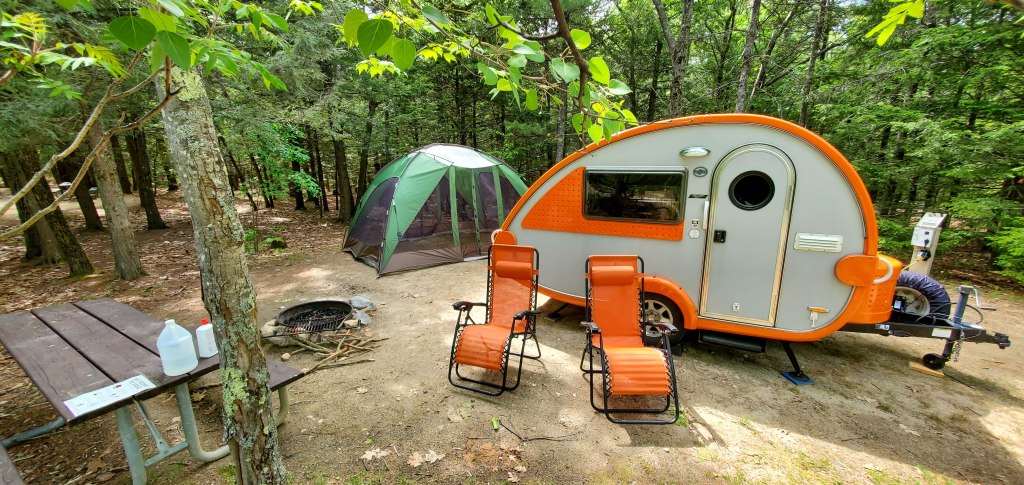
I camped at Gilson Pond at the base of Mount Monadnock. It was overcast and cool for the three days I stayed here, and sitting outside was easy, no blackflies or mosquitoes here. I didn’t encounter blackflies at all until I hiked up Mount Monadnock. There was little contrast for certain types of photography (sweeping vista landscapes), but the soft light was good for smaller scenes. I focused more on birds and wildlife in the area than on photography.

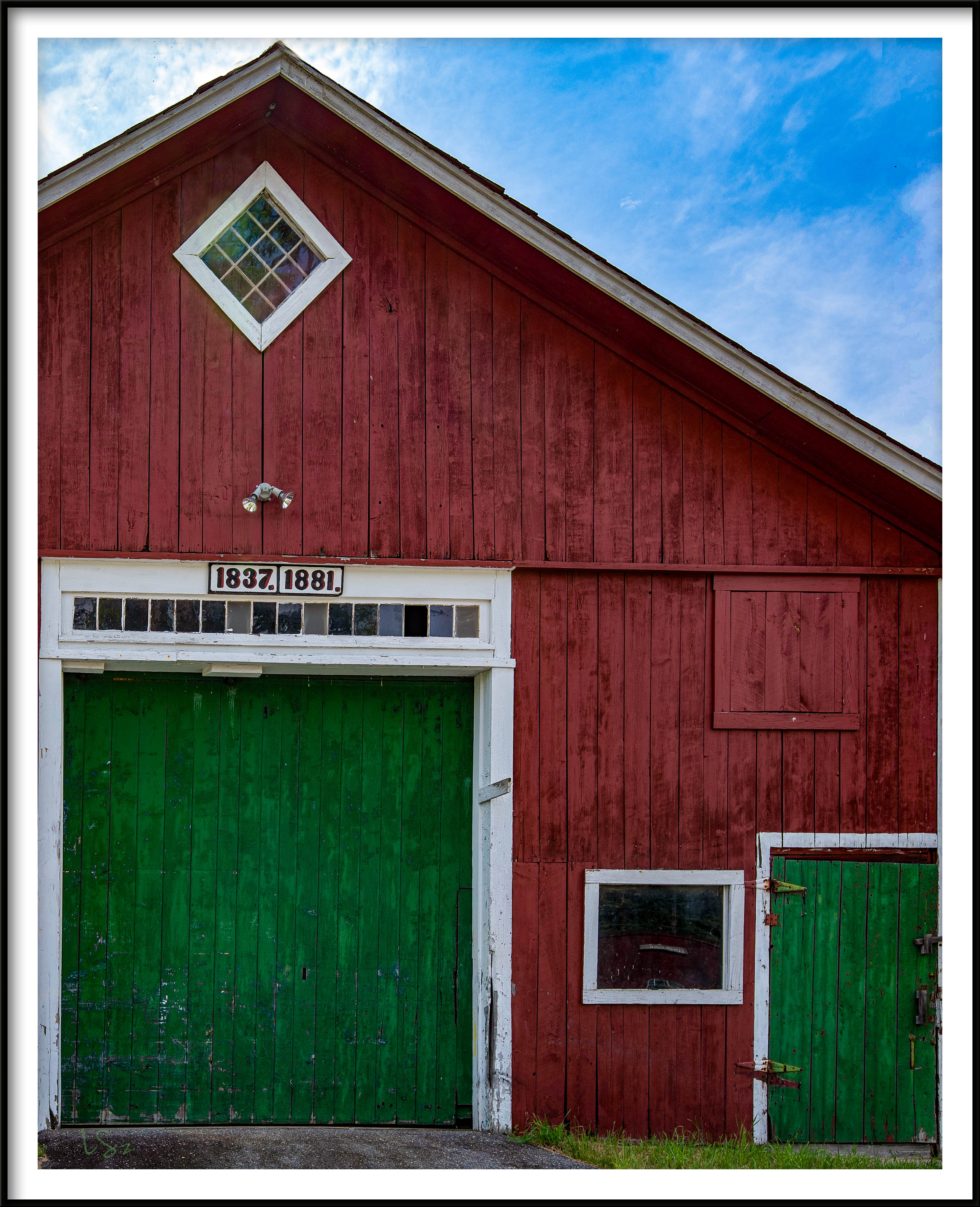
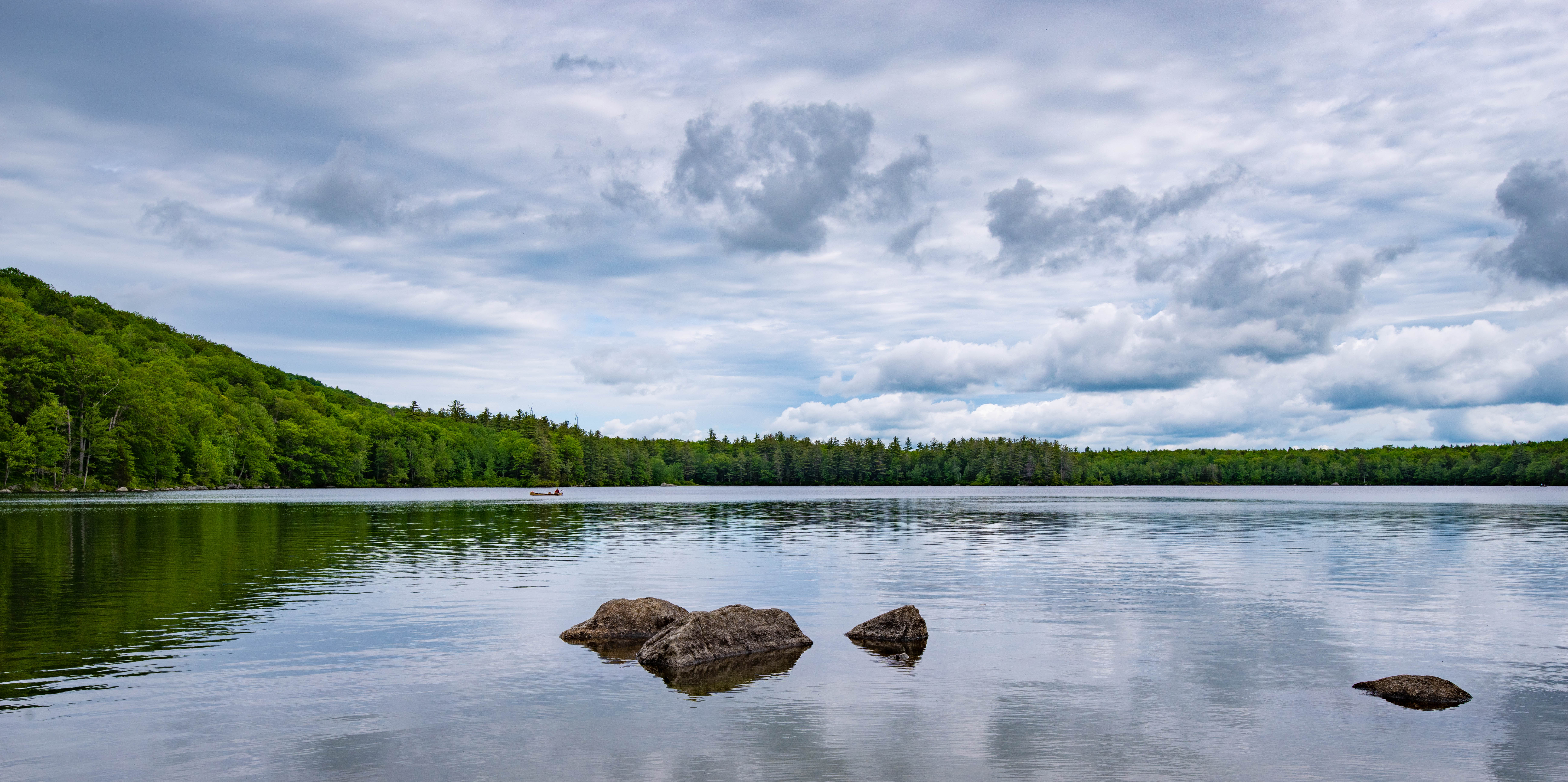
I stopped to photograph interesting barns and bridges, and the gallery below shows a couple of those images along with some views near the campground of Mount Monadnock and Gilson Pond. The photos can be clicked to view larger.
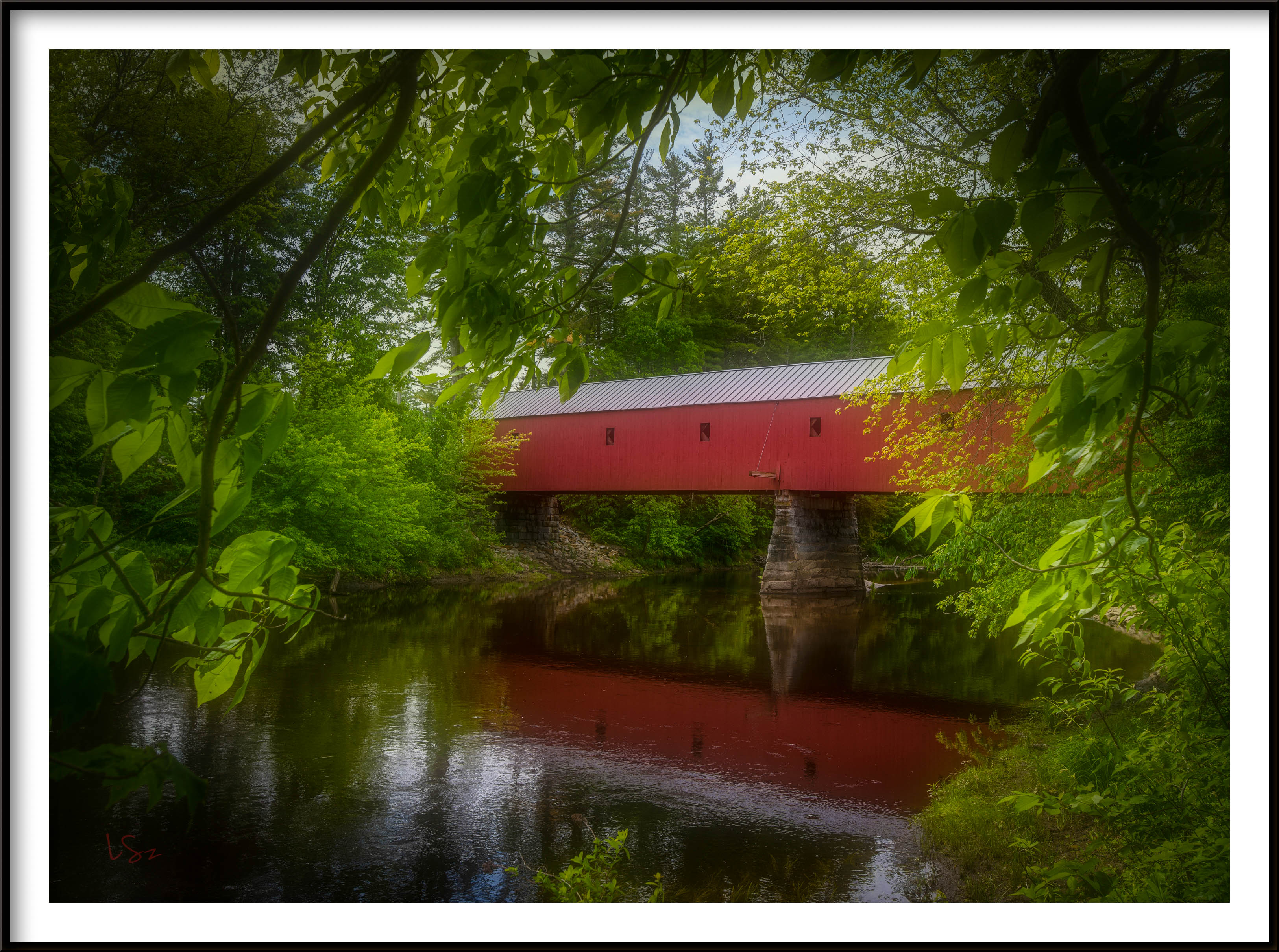
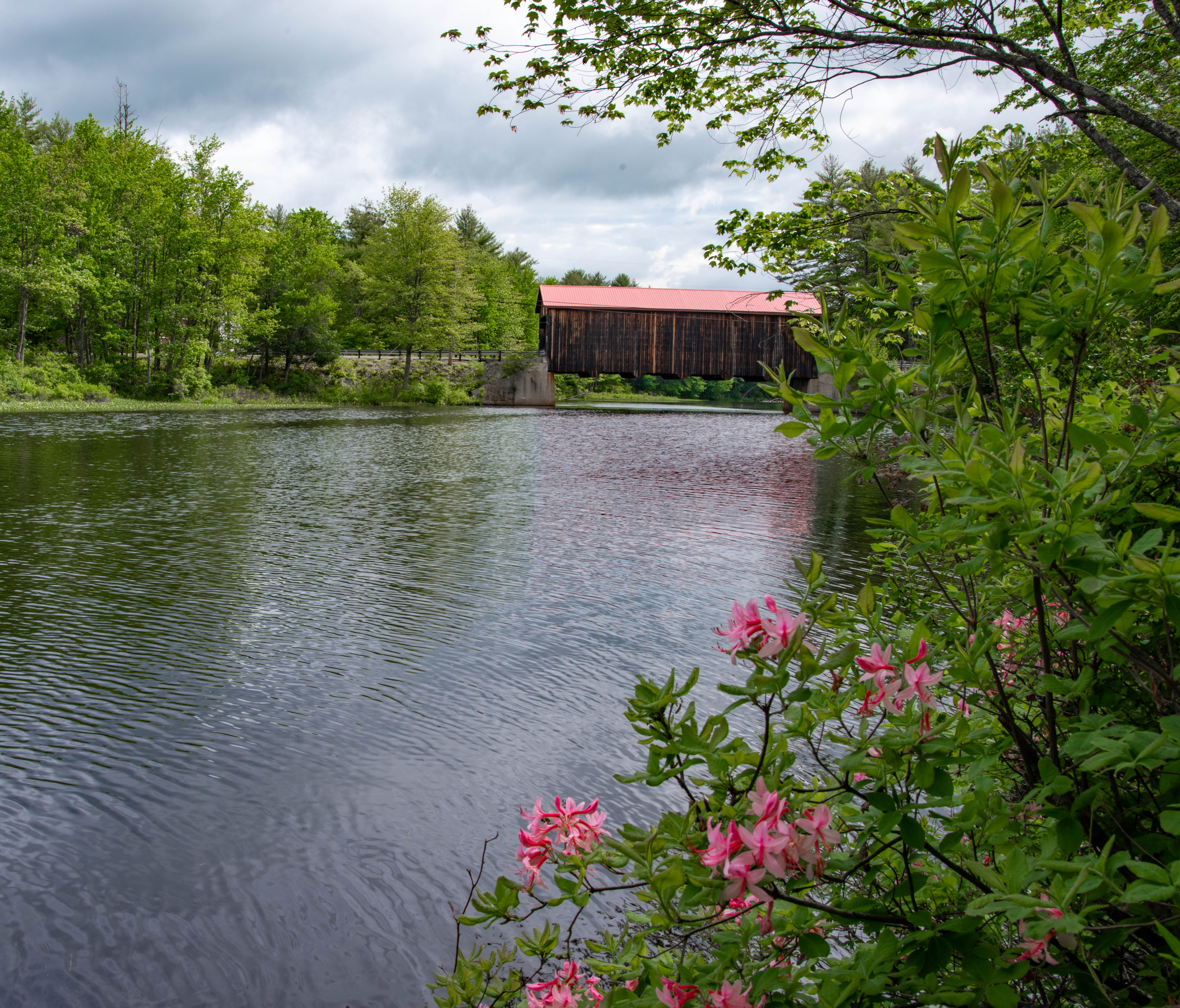
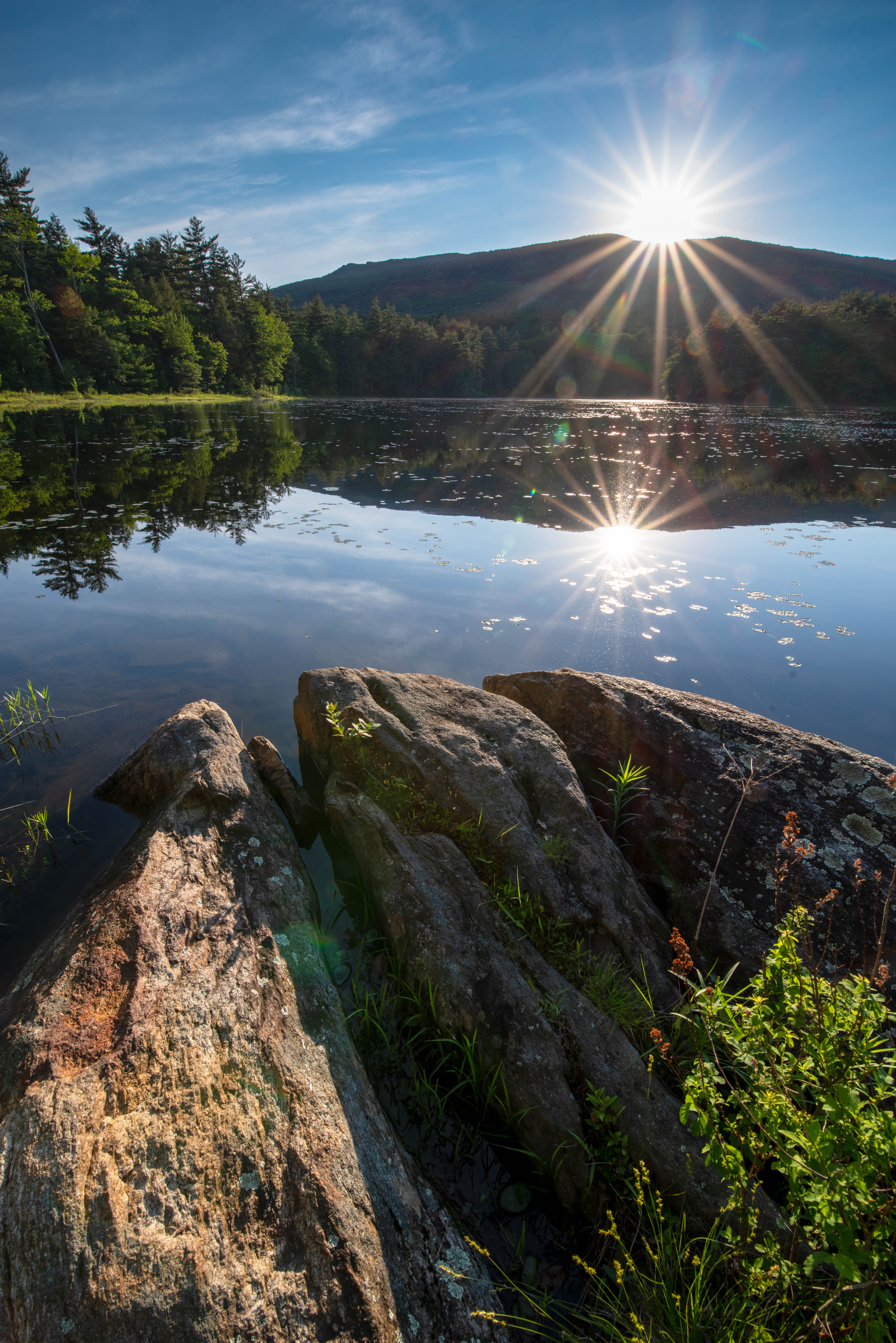

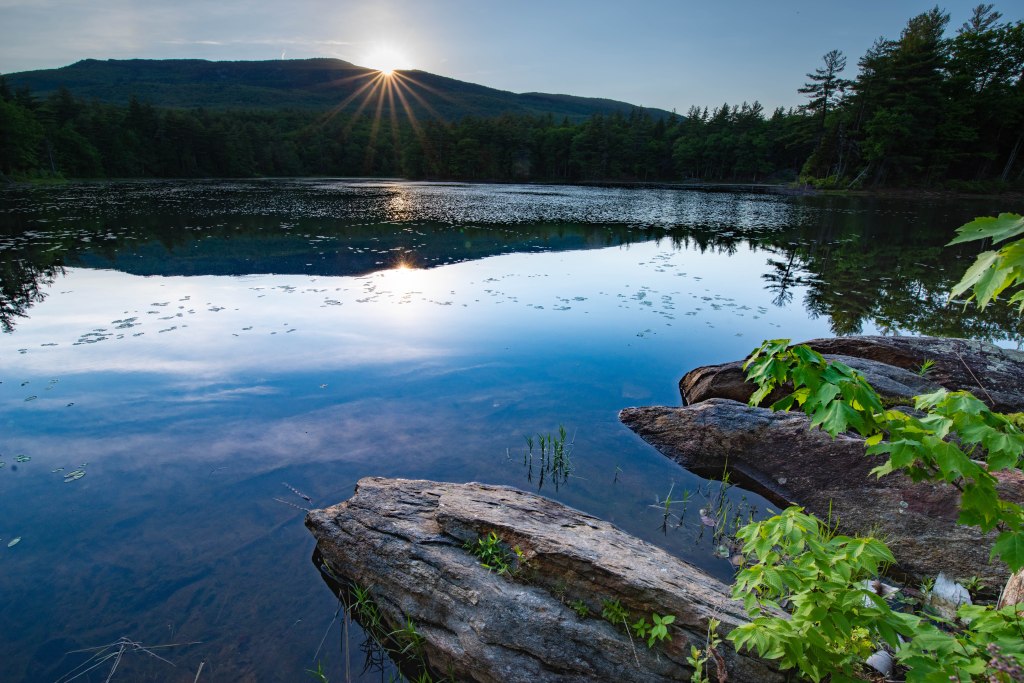
A note on the “star” effect. This is not a filter. It is physics! Technically, it is a diffraction star caused by a very bright point light source passing around the blades of a tiny lens aperture opening. The number of “rays” is related to the number of blades in the lens aperture mechanism. It is a cool natural effect, but it is also unavoidable with simple SLR cameras when shooting at small apertures like f16, f22, f32, etc.
I started the four mile hike to the summit of Mt. Monadnock very late in the day. I brought a flashlight just in case, as the trail was very rocky, and I am not a surefooted as I would like to be. It was cloudy, and darkness fell quickly. I learned that blackflies can be outrun if you walk at full speed.

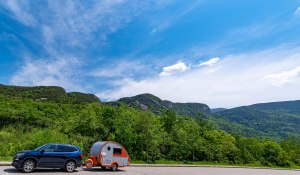
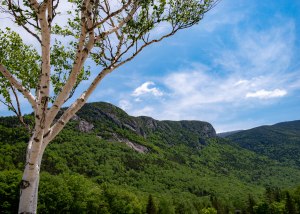
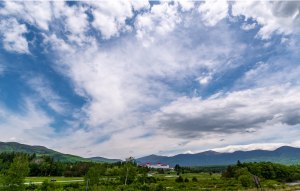
Driving on to Maine through the White Mountains was spectacular, as the gray skies had given way to a mixture of high feathery cirrus and lower fluffy gray clouds that looked a bit like a painting. I love a nice blue sky, but a cloudy sky can be far more interesting. I stopped at Franconia Notch to do a tourist thing, picked up a refrigerator magnet and a New Hampshire coffee mug, and took a couple of snapshots of the Tangerine Dream looking tiny against the White Mountains.

Road Trip Birds added this trip
EBird Location Mt. Monadnock NH
47 Species observed 123 individuals
- Ruffed GrouseNumber observed: 1
- Wild TurkeyNumber observed: 5
- Yellow-billed CuckooNumber observed: 1
- Cooper’s HawkNumber observed: 1
- Broad-winged HawkNumber observed: 1
- Yellow-bellied SapsuckerNumber observed: 1
- Common RavenNumber observed: 1
- Black-capped ChickadeeNumber observed: 2
- Red-breasted NuthatchNumber observed: 1
- European StarlingNumber observed: 1
- Hermit ThrushNumber observed: 6
- Black-and-white WarblerNumber observed: 1
- Pine WarblerNumber observed: 5
- Rose-breasted GrosbeakNumber observed: 1
 Larry Goes